Originally published 3 November 2026
All photos are by the Spain Less Traveled team unless otherwise noted.
This post contains some affiliate links. If you click on them and book a tour or experience, we may earn a small commission at no extra cost to you. We only link what we truly use and love. Thank you for supporting our work through these links. If you'd like access to our handpicked recommendations just for you—including private tours and specific guides, exclusively for our clients—you’ll want to book one of our professional Spain travel planning services.
Spain is heaven for museum lovers!
According to Spain’s Ministery of Culture, there are more than 1,500 museums in the country. You can find museums about almost anything in Spain: art, history, archaeology, science, natural history… just name it and Spain has it!
As an introduction, the Spain Less traveled team is sharing a list of our favorite museums. Some famous worldwide like the Prado in Madrid, but others are off the beaten path in small cities. In the end, all of them offer a great experience for travelers!
Even if you are coming for a short stay, or for a long one so you can visit more these museums, we at Spain Less Traveled would love to help you create the perfect Spanish itinerary. Including, of course, some of these museums that are tailored to your unique interests.
Our top favorite museums in Spain:
Madrid’s Triangle of Art
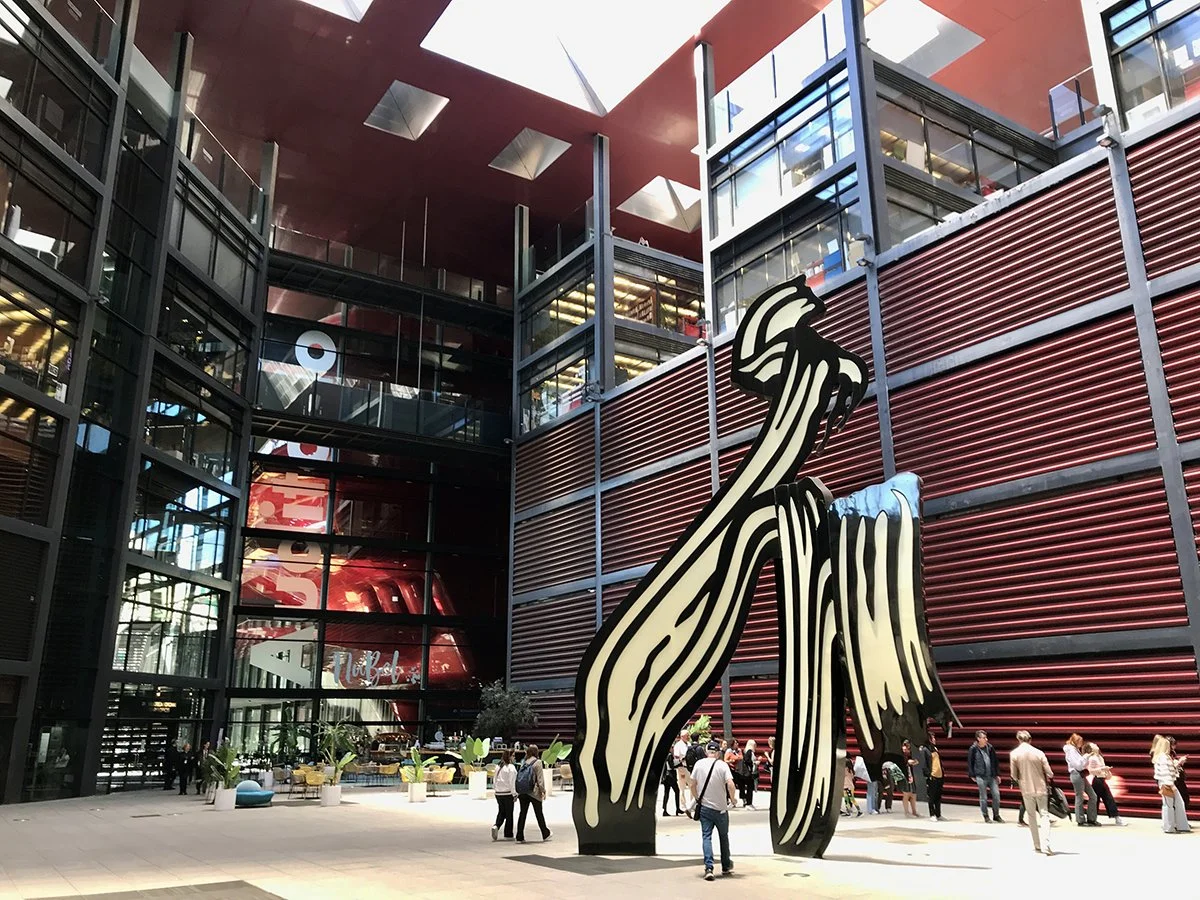
The impressive atrium of Centro de Arte Reina Sofía, Madrid’s top modern art museum.
Madrid, the capital of Spain, has three world class museums just next to each other, forming what it’s called the “Triangle of Art”. Together, these three museums allow visitors to have a full view of Spanish and European art for the last 700 years. These museums are Museo del Prado, Reina Sofía and Thyssen.
Museo del Prado: The world famous Prado museum is located in a beautiful 18th century gallery. And that is not the only reason to visit the Prado! This museum has the largest collection of Spanish paintings in the world. Here, you’ll find here the top masterpieces of Velázquez, Goya, El Greco, Murillo, Ribera, Zurbarán and many others. But the museum also has a huge display of paintings from other European masters such as Boticelli, Rembrandt, Rubens, Titian, Tintoretto and many others. The museum is huge, and you can spend there, an hour, a day or a week. It gets crowded, so we really advice to book timed tickets in advance.
And for an extra special treat, you can book this early tour of the Prado that gets you in the museum 90 minutes before it opens to the general public. It’s a guided small tour that will show you the main masterpieces of the museum with no other visitors. It’s like having the Prado all to yourself! At the end of the tour, you can stay in the museum as long as you want. Our team did this tour and we absolutely love it!
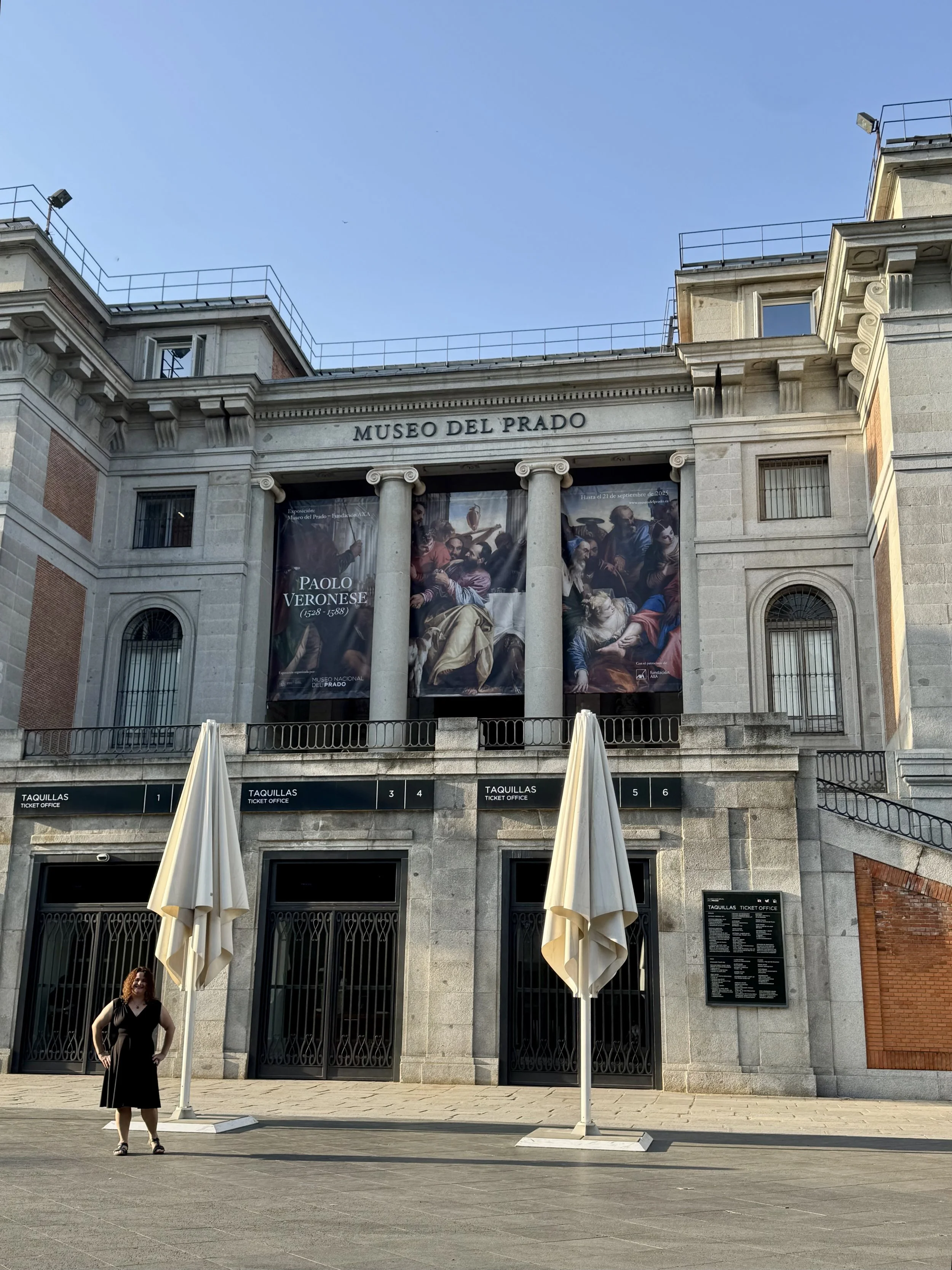
Karen, founder of Spain Less Traveled, waiting to tour the Prado before it opens to the public!
Centro de Arte Reina Sofía: Often referred to as the Reina Sofía museum, this collection is located in a 17th century hospital. It displays 20th and 21st century art by mostly Spanish and Latin American artists. You’ll find great works by Dalí, Miró and of course Picasso, whose masterpiece “Guernica” is the center of the exhibition. You’ll also find temporary exhibitions that are always interesting. Even if lines are not as long as in Prado, is always convenient to book tickets in advance.
And of course, you can book a guided tour with entrance included, such as this one. We actually recommend a tour of the Reina Sofia, because as cool of a space that it’s in, the layout can be a bit confusing.
Museo Nacional Thyssen-Bornemisza: In between Prado and Reina Sofía you’ll find this magnificent museum. The Thyssen-Bornemisza family had one of the best private art collections in the world! In the early 1990’s, the Baron and his Spanish wife sold the collection to Spain, to be shown in a dedicated museum in Madrid. That is when the Thyssen (as it’s commonly called) opened.
The museum is organized in a chronological and didactical way, allowing visitors to travel through European art from the 15th to 21st centuries. The French impressionists section is amazing, as well as the German Renaissance one. Termporary exhibitions are great and very popular for locals, so if you intend to visit one of them, you should book tickets in advance.
And if you like tours of art museums, we recommend this small group guided tour of the museum.
(Pro tip: Even if these three museums are very close, we don’t recommend visiting more than one in a single day. They are all huge and the visit can be not just physically exhausting, but you´ll need time to let all that beauty soak in.
Galería de las Colecciones Reales - Madrid
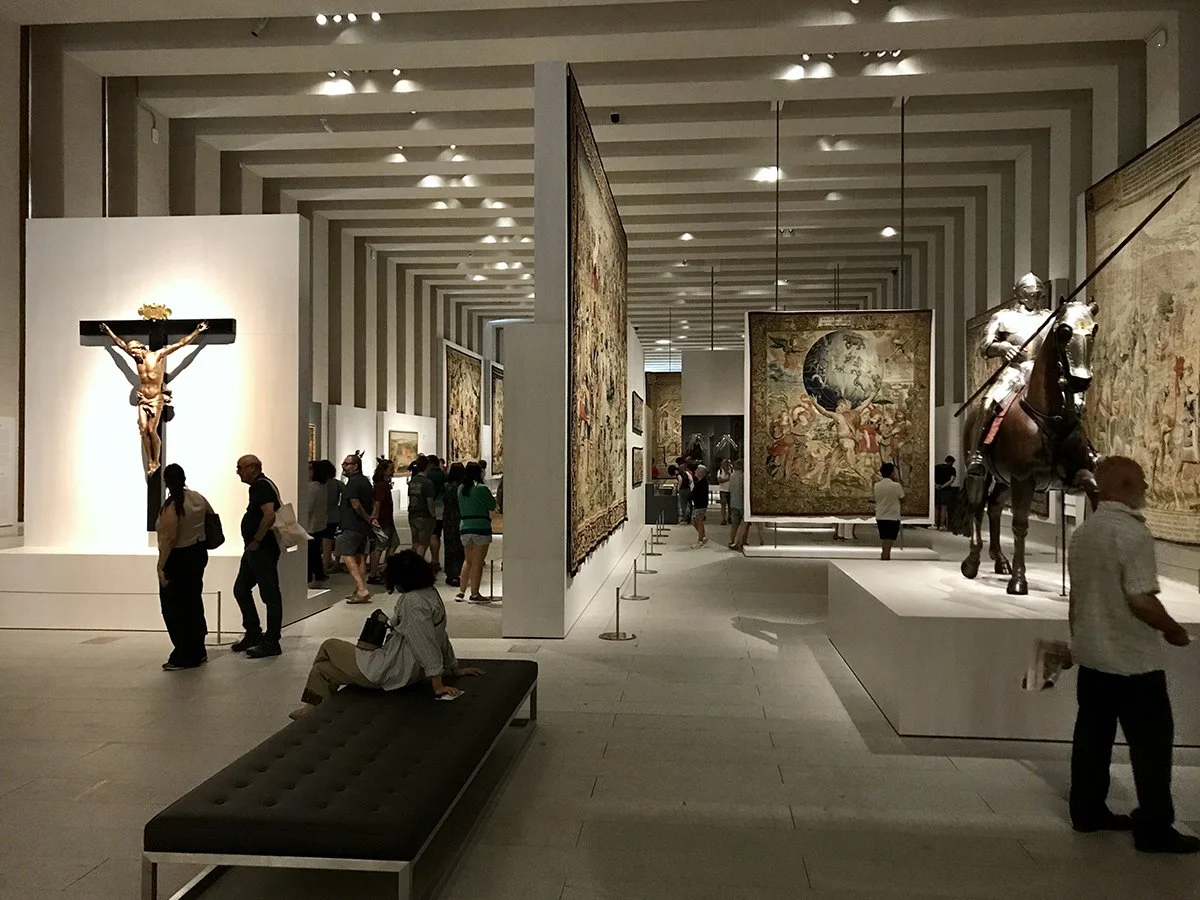
The Gallery of Royal Collections displays the many treasures of the Spanish Crown.
The Spanish crown has a large number of royal palaces, convents and parks. But even with all that space, they couldn’t properly display all the treasures they have.
This changed in 2023, when after more than 20 years of design and construction, the new Gallery of Royal Collections opened in Madrid. Set between the Royal Palace and the cathedral, you can’t notice this huge building, as it’s located below street level. Only a small entrance block pops at one side of the terrace.
The gallery has basically two large rooms: Gallery “A” (for “Austrias”, for the Habsburgs from Austria, the ruling dinasty from the 16th and 17th centuries), and Gallery “B” (for “Borbones”, the Bourbons dynasty that still reigns in Spain).
Entering them is like entering a treasure cave. You’ll find painting, sculptures, tapestries, furniture, clothing, armors and much more. In on side of Galley “A” you can even find a part of the old Muslim Alcazar.
The Gallery don’t see huge lines, so you don’t need to book tickets in advance, but you can book guided tours like this one, which combines the Gallery and the Royal Palace in one single experience.
Many visitors miss this museum, as well as many other off the beaten path places that shouldn’t be missed in Madrid.
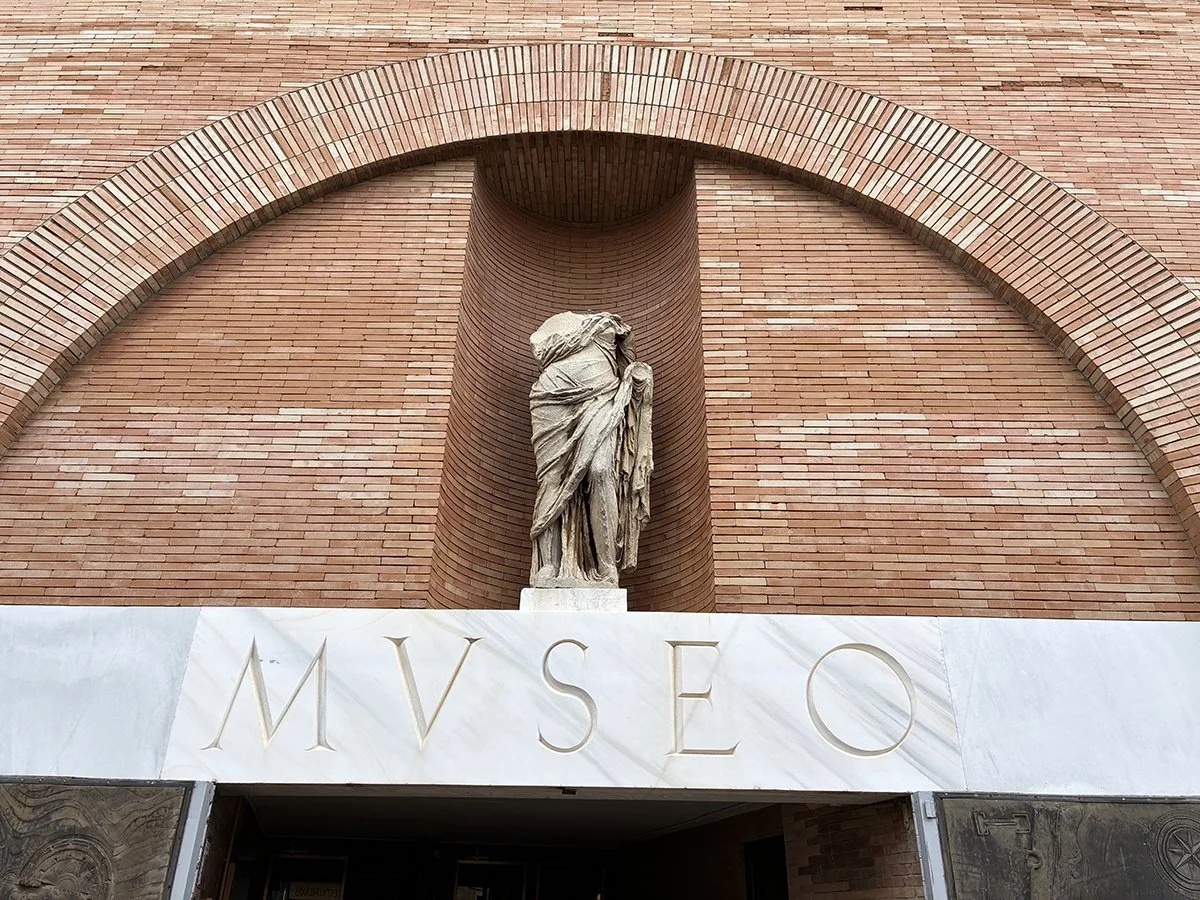
Museo Arqueológico Nacional - Madrid
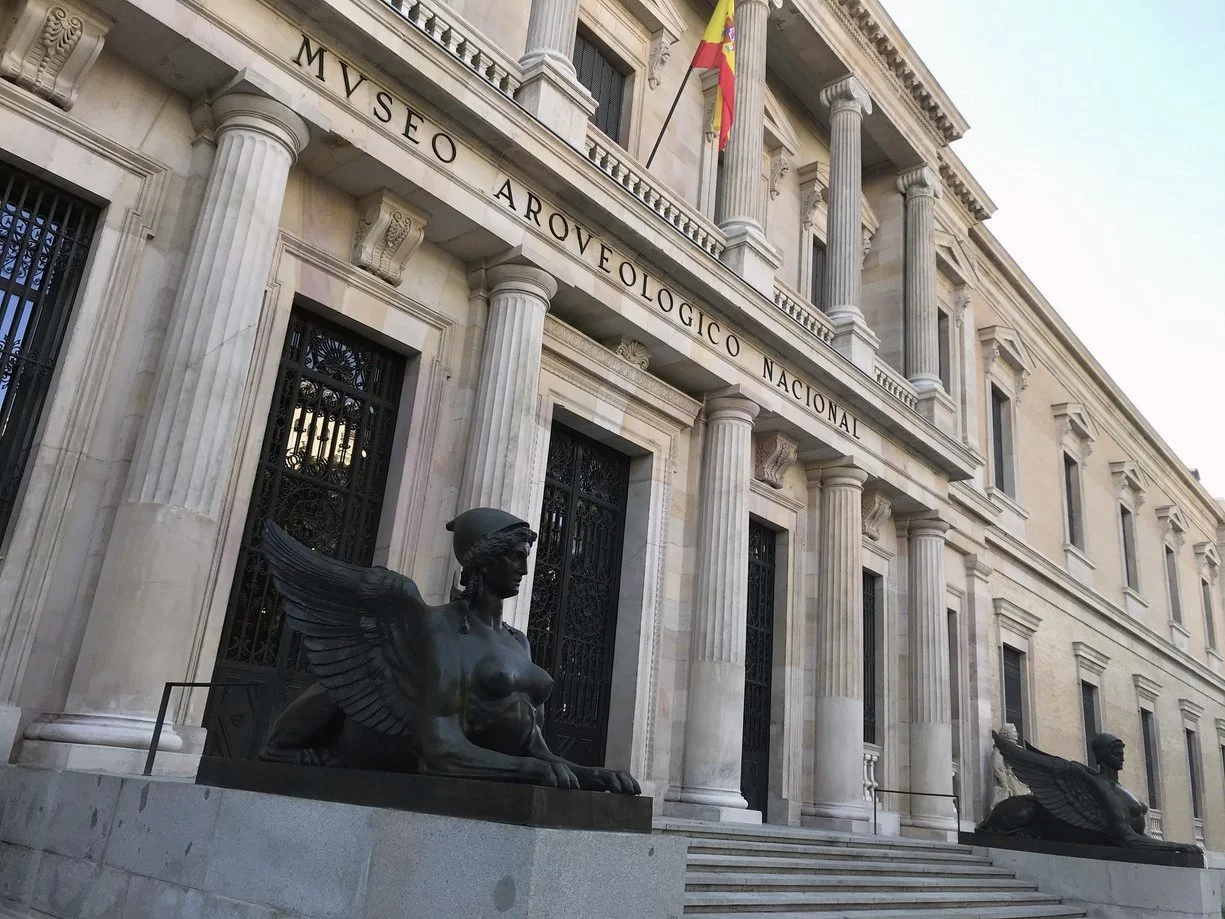
Madrid’s Archaeological Museum is a wonder to discover.
There are several archaeological museums in Spain, practically one for every region, but perhaps the most important is Museo Arqueológico Nacional.
Spain’s archeology museum is located in a stunning neo-classical building on Calle de Serrano, Madrid’s fanciest street. It was recently renovated. The museum displays an amazing collection of artifacts from all periods of Spanish history presented in a modern and dynamic way. Some of the highlights are Dama de Elche (an iberian female bust from the 5th century B.C.), the hall of Roman mosaics, the Visigoth crown of Recceswinth (7th century A.D.), Artifacts from the Caliphate of Córdoba from the 10th century (AD) representing Spain’s Muslim period and intricately carved wood mudéjar ceilings from the 16th century.
It’s like a trip through Spain’s rich history.
You don’t have to book tickets in advance, but a guided tour can enrich your visit even more!
(And if you’re interested in architecture, check out our guide to The Incredible Architecture of Spain.)
There you have it, our favorite museums in Madrid… Looking for more Madrid travel tips? Be sure to check out our Madrid travel guide, packed with our top Madrid picks!
Now moving on to other Spanish cities…
Museo Nacional de Arte Romano - Mérida
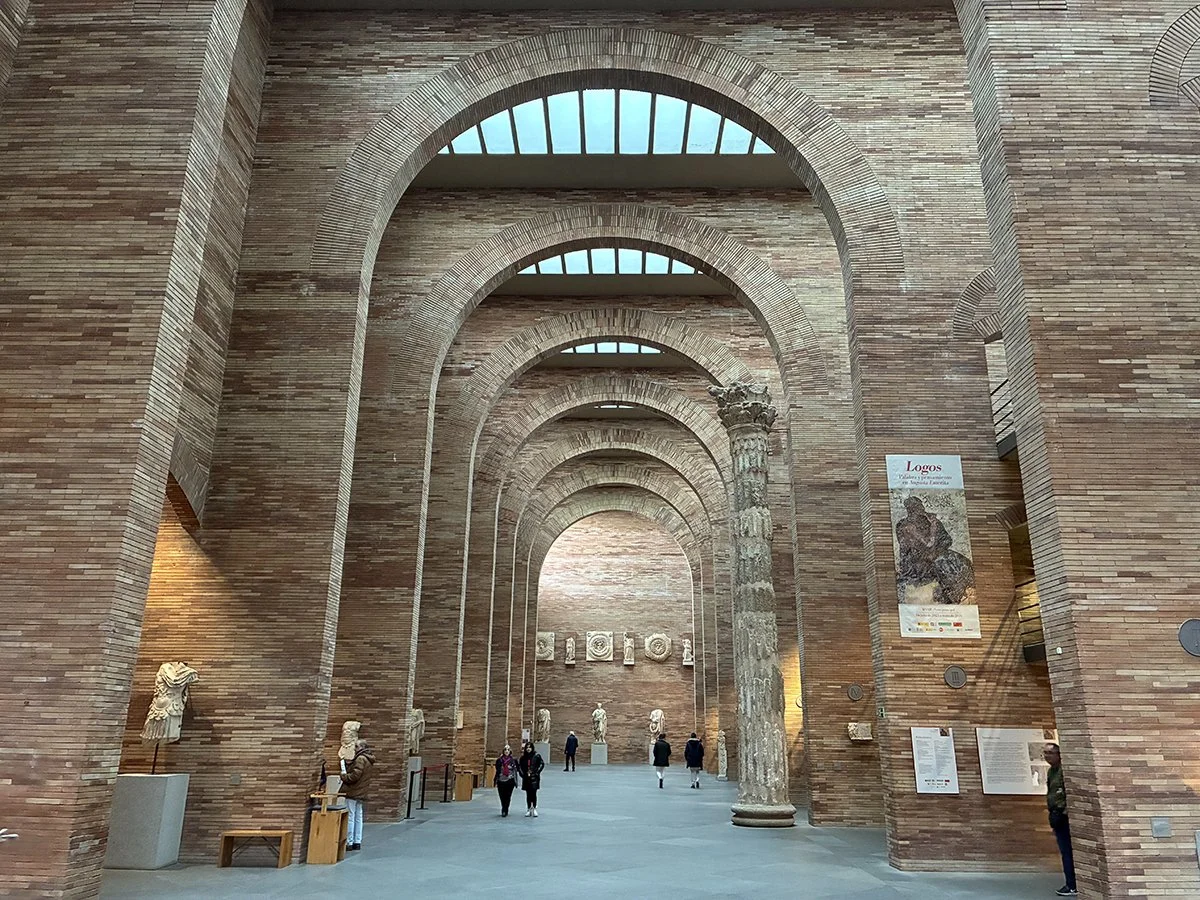
The impressive main gallery at Merida’s Museo de Arte Romano.
Spain has one of the largest Roman legacies in the Mediterranean, with archaeological sites in practically every region.
Perhaps the most important is Mérida, the capital of Extremadura. There you can visit one of the best preserved Roman theaters in the world, as well as many houses full of mosaics, an aqueduct and much more.
In 1984, a new museum was open to present in a stunning way the exquisite works of art found all over the city. Designed by Spanish architect Rafael Moneo, this magnificent building, considered one of the best in the 20th century, fussions elements of Roman architecture in a modern way, creating different areas adapted to the size and detail of the artifacts.
It’s close to the theater and amphitheater sites, so you can start or end the visit in this wonderful museum. And you can get a combined guided tour of all Roman sites, including the museum, or just the museum.
And remember that Mérida is just the appetizer to Extremadura, one of the most authentic and less visited regions in Spain. Check out our tips for this rich region!
Guggenheim Museum - Bilbao
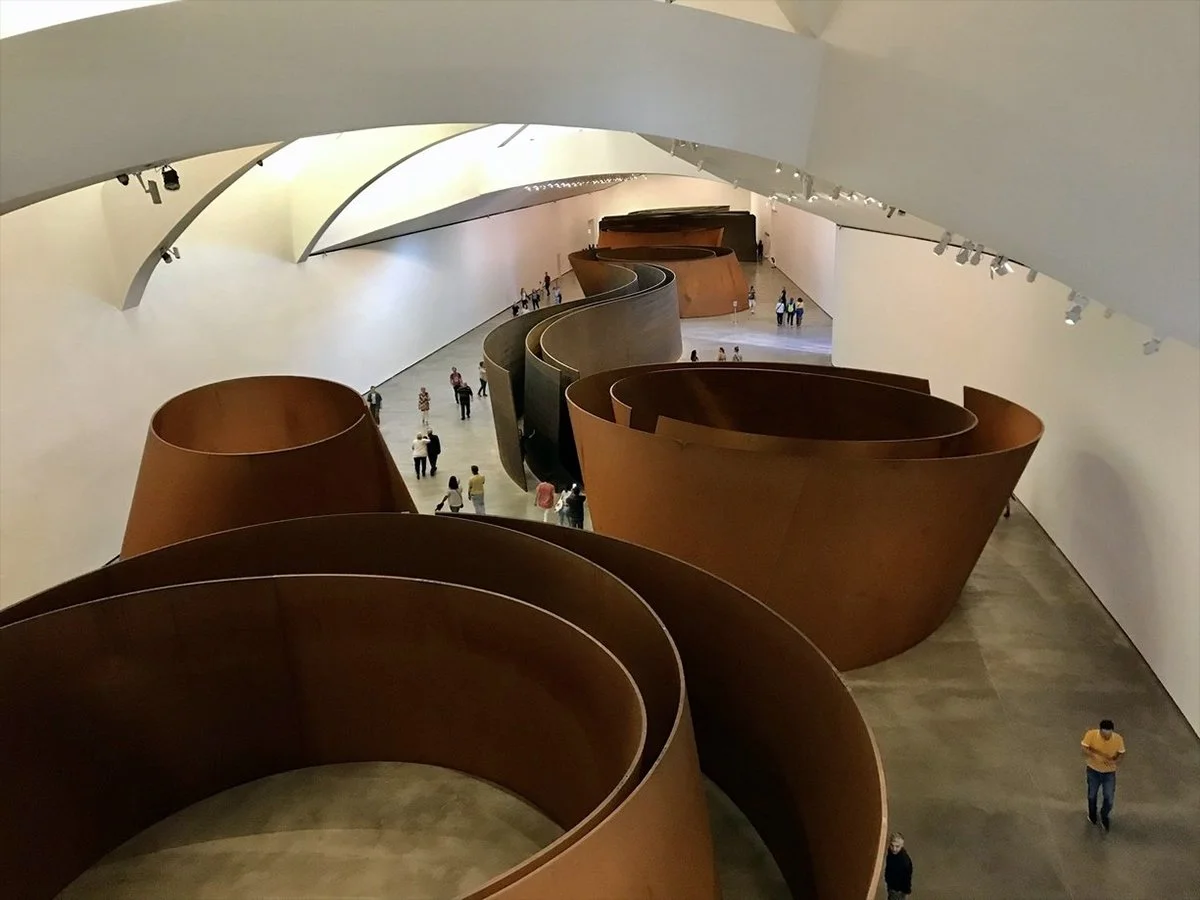
The largest gallery at Bilbao’s Guggenheim is like a cathedral for modern art.
For many years Bilbao had the reputation in Spain of being an ugly and dirty city. It didn’t help that there were factories polluting the river right next to the city center. By the end of the 20th century, the city started a total urban renewal, removing the industrial sites, creating new neighborhoods and parks, a subway, and many cultural institutions.
On the site of one of the foundries, Canadian architect Frank Gehry designed this iconic building, covered with titanium to remember the industrial past of the city while launching it into the future.
The Bilbao Guggenheim has become one of the main destinations in Spain, offering intriguing temporary exhibitions of contemporary artists, as well as a curated collection of 20th and 21st century art. As the museum is very popular, it’s better to book tickets in advance, and to better enjoy it you can book a private guided tour.
And while visitors flood San Sebastian for the food, Bilbao offers a similar gastronomic experience, with less crowds. You can experience there some of the best food in Spain. Bilbao should be included for sure in any Basque Country itinerary.
Museo Nacional de Escultura - Valladolid
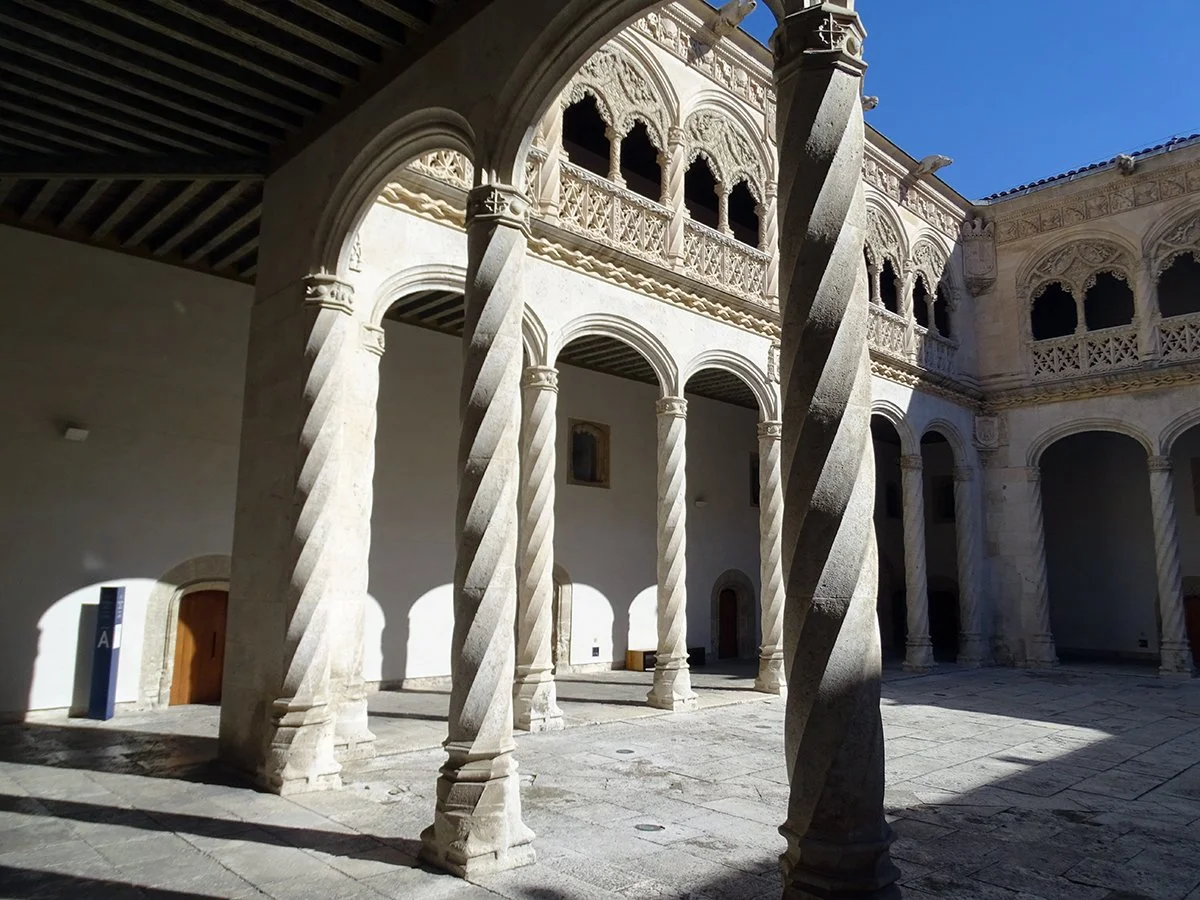
The exquisite cloister of San Gregorio is one of the three sites of the museum.
Valladolid is one of the true hidden gems in Spain. Even though it’s a large city by Spanish standards, (300,000 + call it home), a major high-speed rail hub, and the capital of the Castilla y León region, it sees little foreign tourism. The historical and architectural values of the city are first class, but it gets overshadowed for its neighbors Avila, Salamanca and Segovia.
The jewel of the city is the magnificent National Museum of Sculpture, one of the best in Spain. It has three locations in the city, but the main one is the amazing Monastery of San Gregorio, a masterpiece of Spanish Renaissance architecture.
The collection is made of mostly religious wooden sculptures from the middle ages to the Baroque period. It includes impressive altarpieces, choir stalls and exquisite individual sculptures.
Museo del Retablo - Burgos
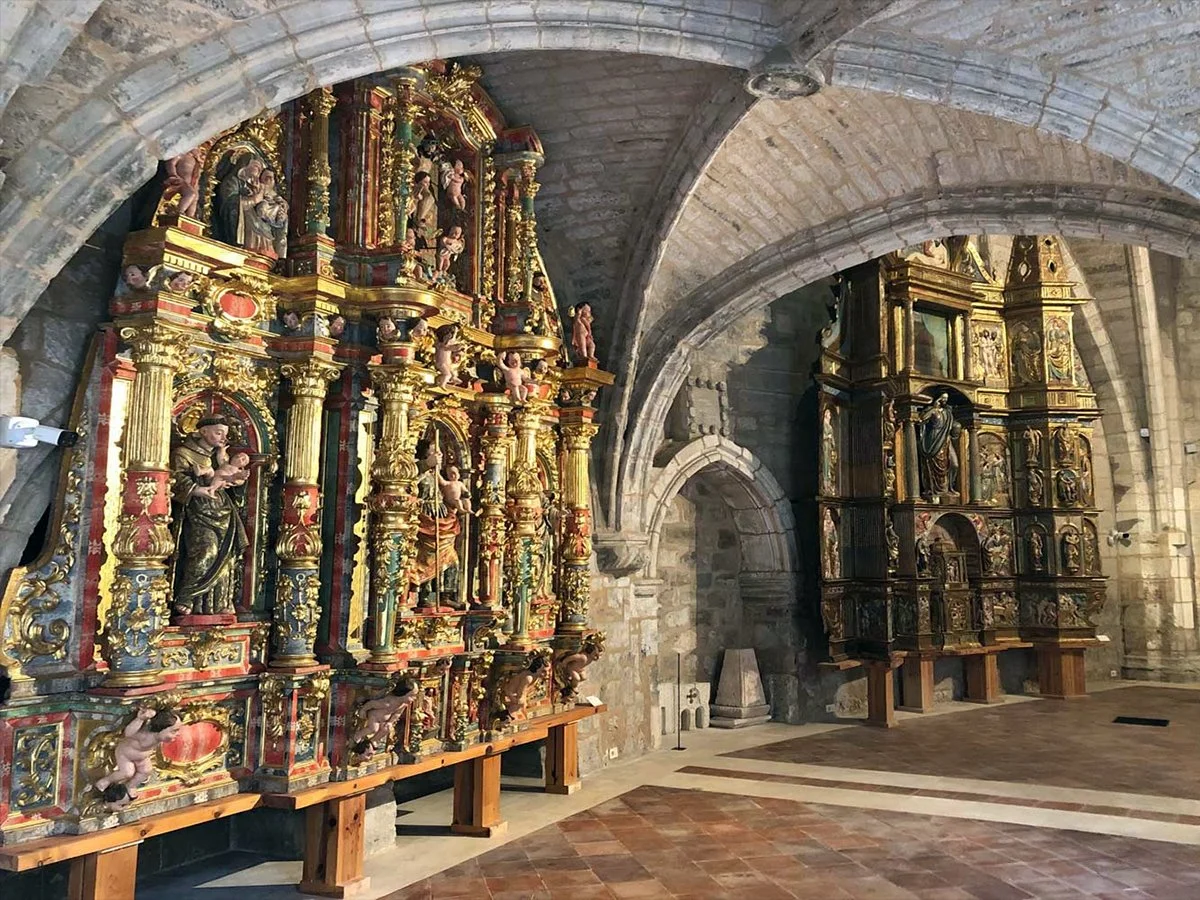
The museum allows visitors to admire Baroque altarpieces face to face.
Museo del Retablo is the only one in Spain dedicated specifically to altarpieces. Located in the beautiful church of San Esteban, near the famous cathedral, this museum displays many Renaissance and Baroque altarpieces from churches in the region. Many were abandoned or demolished, so the museum restored them.
What makes it so special is that the altarpieces are displayed on the floor, very close to the visitors, so they can appreciate the incredible details of these works of art.
Besides its many wonders and delicious food, Burgos is a perfect hub for discovering two of the Spain’s main wine regions: La Rioja and Ribera del Duero. If you’re interested in Spanish wine check out our guide to the wines of Spain (and how to visit some of Spain’s premier wine regions!).
Casa y Museo de El Greco - Toledo
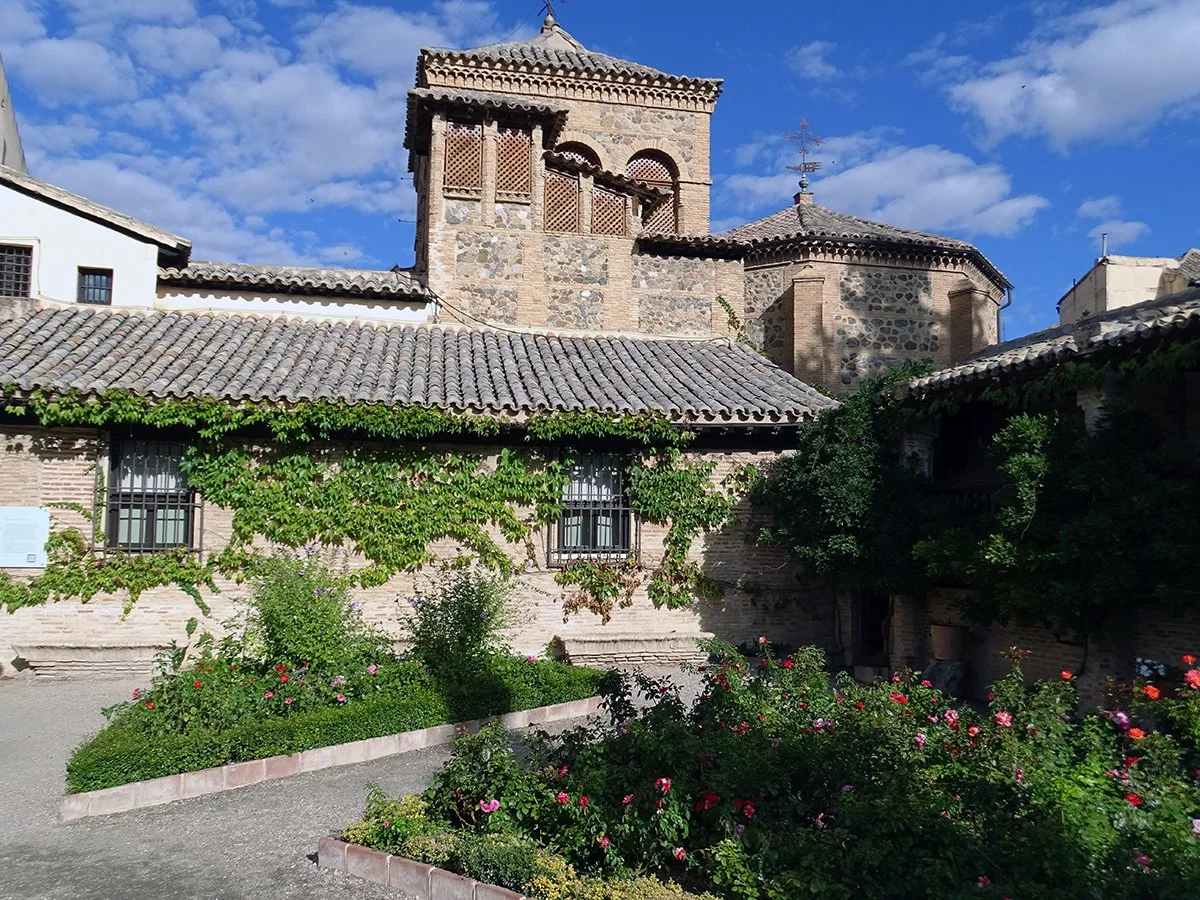
The charming patio of El Greco’s house and museum.
El Greco is one of the most important painters in Spain’s history. Born on the Greek island of Crete in 1541, he moved to Toledo in 1577, where he produced most of his best celebrated work.
Yes, there are several El Greco masterpieces in Madrid’s Museo del Prado, but if you are a true El Greco fan you won’t want to skip this museum in Toledo. Because it houses the largest collection of his work.
But first a disclaimer: Even if the museum is named “House of El Greco”, he never lived here, actually the house was built in the 1910s to resemble a traditional house. But don’t let this stop you from visiting. The museum is amazing, with some great works, including the portrait series dedicated to the twelve apostles.
There are so much to explore in Toledo, one of the favorite day trips from Madrid. So much that we always recommend to stay at least for one night.
Museu Nacional d’Art de Catalunya - Barcelona
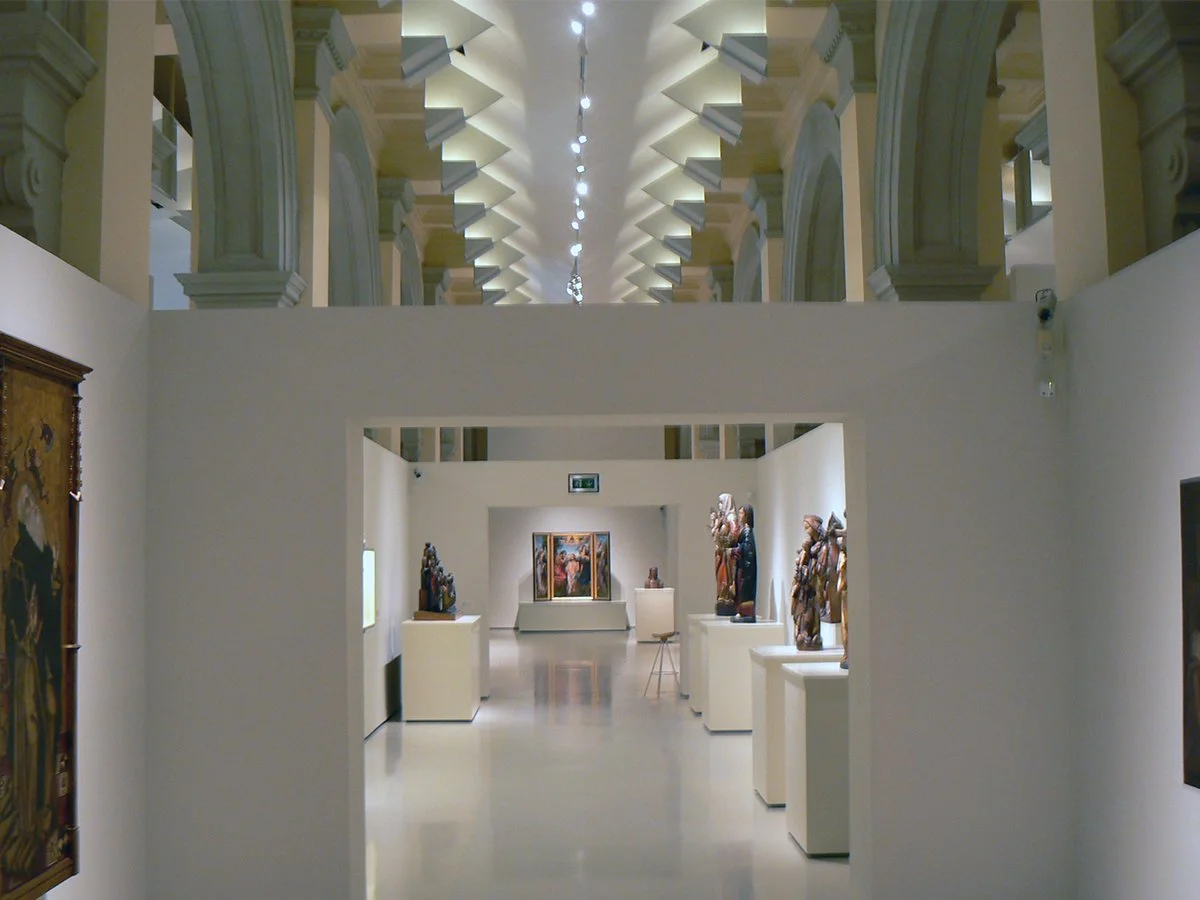
MNAC has one of the best collections of medieval art in the world.
Next up is our favorite museum in Barcelona. And the only museum there that made this list of our top picks.
In 1929, Barcelona celebrated its World Fair, in the Montjuïc area. The central piece was the National Palace of Barcelona, located above the Magic Fountains. in the 1980s a big project started to turn the building into the National Museum of Catalonia. The building wasn’t fully completed until 2004, with a new extension planned for the next years.
The museum is huge, with several sections. The most important are the ones dedicated to Romanesque and Gothic paintings. The Romanesque part consist of wall paintings taken down from churches and set on displays that recall the original buildings. It also displays a part of the Thyssen-Bornemisza collection, as the Baroness was born in Catalonia.
The museum is a great place to start visiting the Montjuïc area of the city!
If you plan to visit the museum and others in Barcelona, you can purchase the Articket BCN, that includes the six main museums in the city.
Museu Teatre Dalí - Figueres
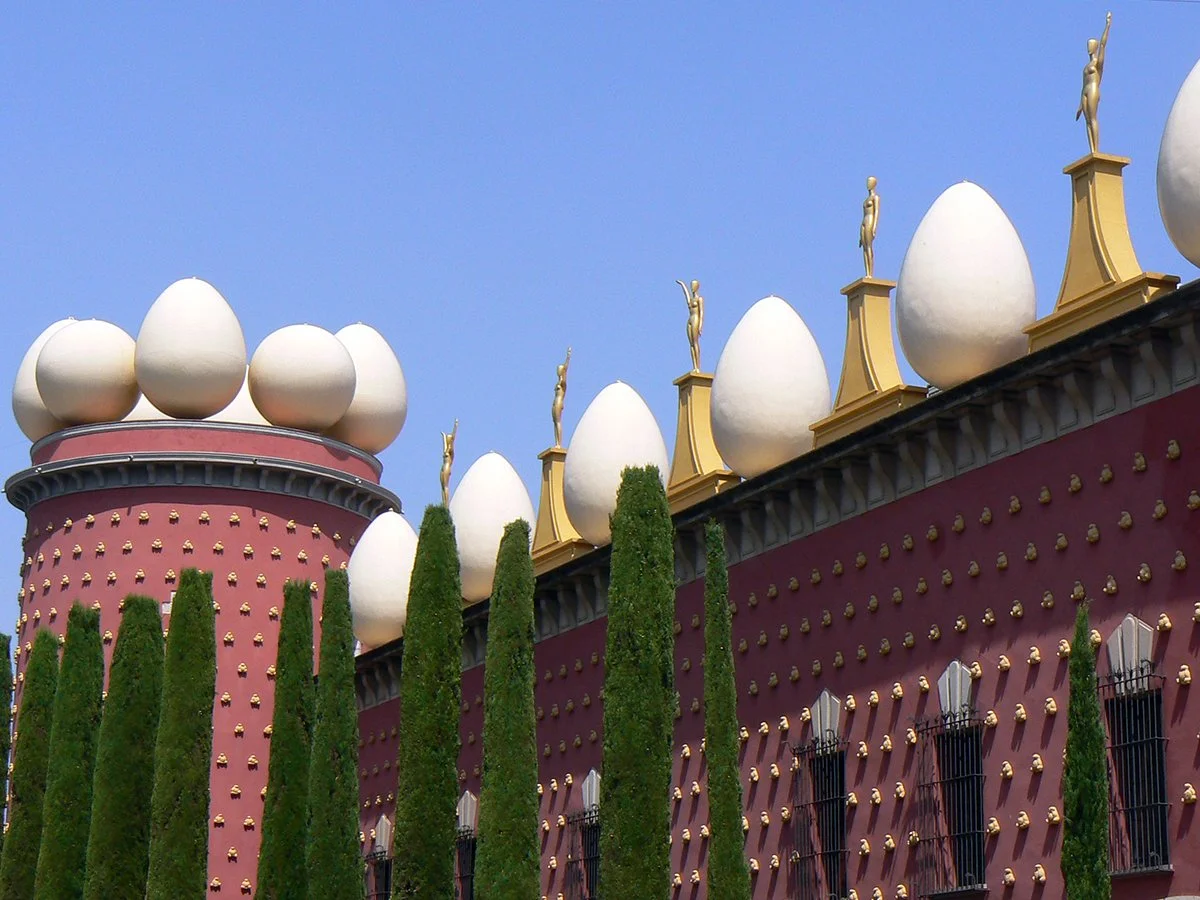
In Dali Museum, the building itself is also a work of art.
Salvador Dalí, one of the most influential surrealist artists turned everything (including himself) into a work or art. For his greatest legacy project, he chose Figueres, his hometown, about an hour north of Barcelona.
In 1960 Dalí decided that the town’s theater, which had been bombed during the Spanish Civil War, was the perfect spot to open his museum. It opened in 1978. The museum doesn’t just contain the largest collection of Dali’s works in the world, but many of its spaces were designed by the artist as works of arts themselves. The most famous is the Mae West room. Visiting it is quite the experience.
The museum is hugely popular with visitors, so you many expect long lines. Or you can book a guided tour that includes the entrance ticket and saves you some time.
Figueres is one the best day trips from Barcelona, that you can also combine with Girona or some of the other Dali sites in the Girona province.
Museo Nacional de las Artes Escénicas - Almagro
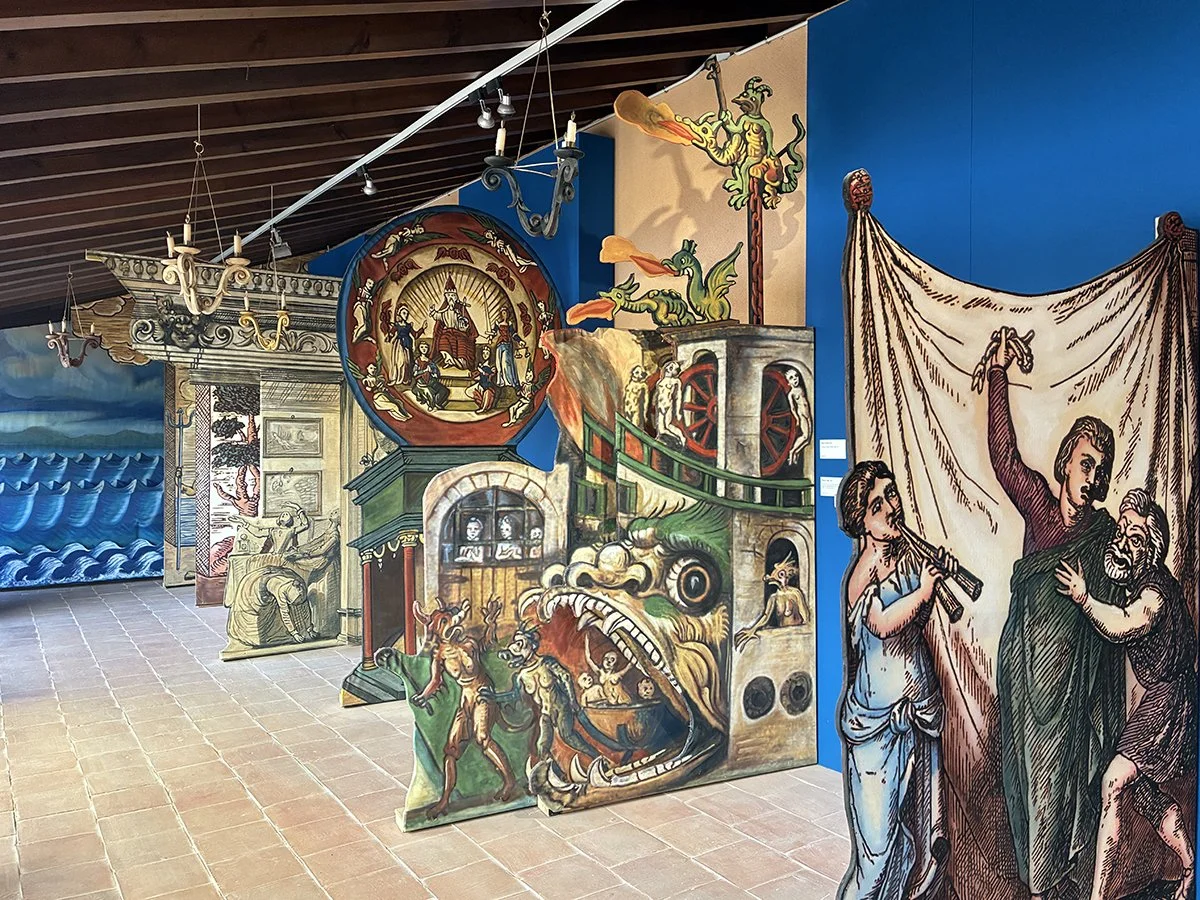
Discover the magic of Baroque’s theater in this wonderful museum in Almagro.
Almagro is considered the theather capital of Spain. In this gorgeous town, one of the most beautiful in the Castilla La Mancha region, you can visit the impressive “corral de comedias” to see how theater was performed in the 16th and 17th centuries. Also the town holds a summer theater festival, one of the most important festivals in Spain.
The museum, recently opened in an old convent, is a marvel. You can appreciate models, set pieces and machinery that allows you to discover how Baroque theater magic was made, as well as costumes from 19th and 20th centuries productions. Sketches, programs, photographs. A real delight for theater lovers.
Museo Nacional de Altamira - Santillana del Mar
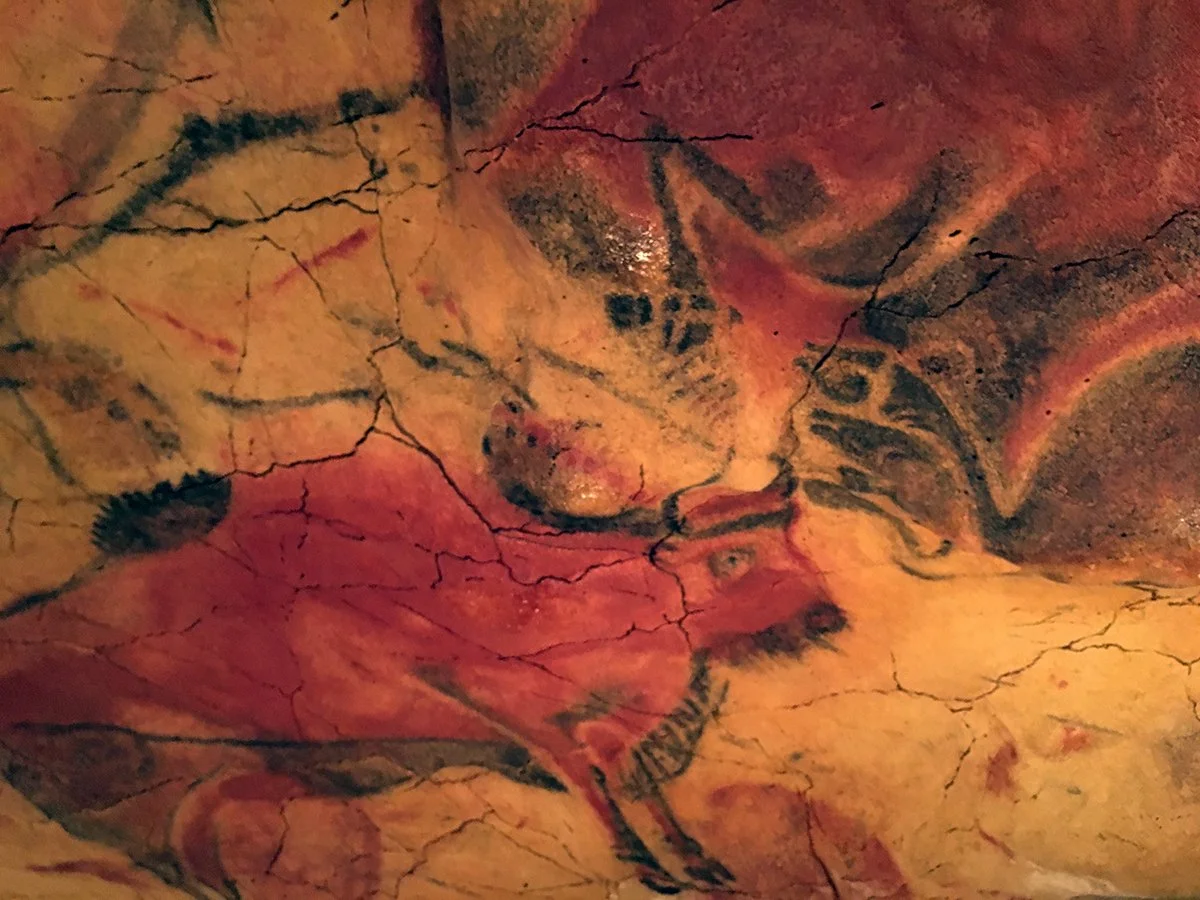
The actual Cave of Altamira is almost impossible to visit, but the museum has a perfect replica that you can explore easily.
In 1879, in a cave close to the Cantabrian village of Santilana del Mar, a group of extraordinary rock paintings were discovered in the Cave of Altamira. The paintings were so sophisticated compared to anything found before, that for many years they were labeled a forgery. Nowasays the paitings are considered the best in the world, nicknamed the “Sistine Chapel of Cave Art”.
The bad news is that in order to preserve the paintings, visits are severly restricted to general public, with waiting lists of many years. That’s why in 2001 a new museum was built next to the cave. The museum not just includes a perfect replica of the cave, copying even its orography, but many halls describing the prehistoric life of the region, in a very modern and didactic way. Even if you know that it’s not real, visiting the “neocueva” (“neocave”) it’s a very moving experience.
Getting to the museum without a car can be complicated, so a great option is to book a guided day trip from Santander, including Santillana del Mar, the museum and the charming village of Comillas.
Santillana del Mar is one of the highlights of the wonderful region of Cantabria, that should be included in any Northern Spain itinerary.
Museo Salzillo - Murcia
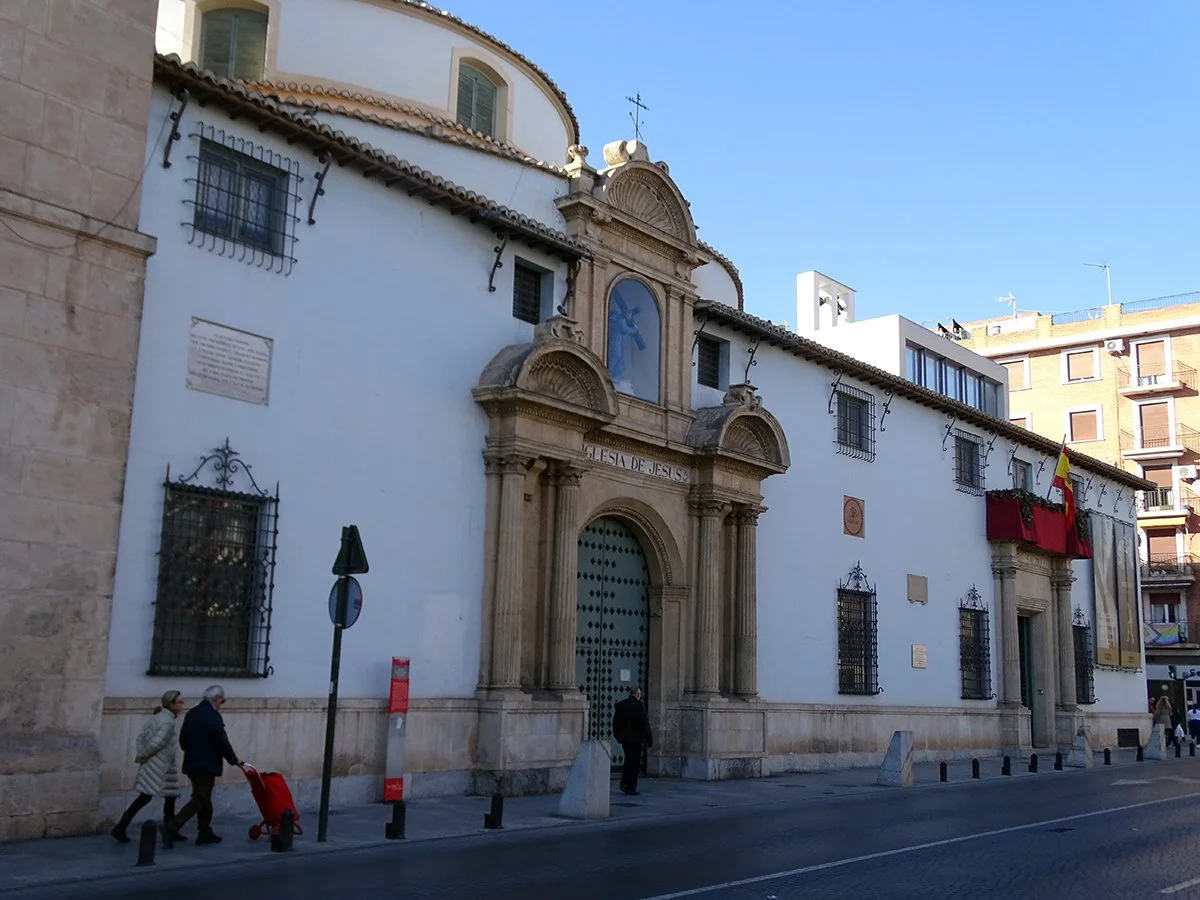
Salzillo Museum is located in the Baroque Iglesia de Jesús.
Francisco Salzillo was born in Murcia in 1707, and it’s considered on the best Spanish sculptors. His religious sculptures in wood combine an incredible realisn with a big sense of drama. Many of these images are paraded during Easter, making Murcia’s “Semana Santa” one of the best in Spain.
But if you are not visitng Murcia during “Semana Santa”; your best option is to visit the beautiful museum dedicated exclusively to Salzillo in Murcia. it’s located in the Church of Jesus, so you can admire the sculptures in the king of enviroment for what they were created. A must in the city.
Murcia is the 7th largest city in Spain, and the capital of one of the region of Murcia, one of Spain’s real hidden gems.
Museo Picasso - Málaga
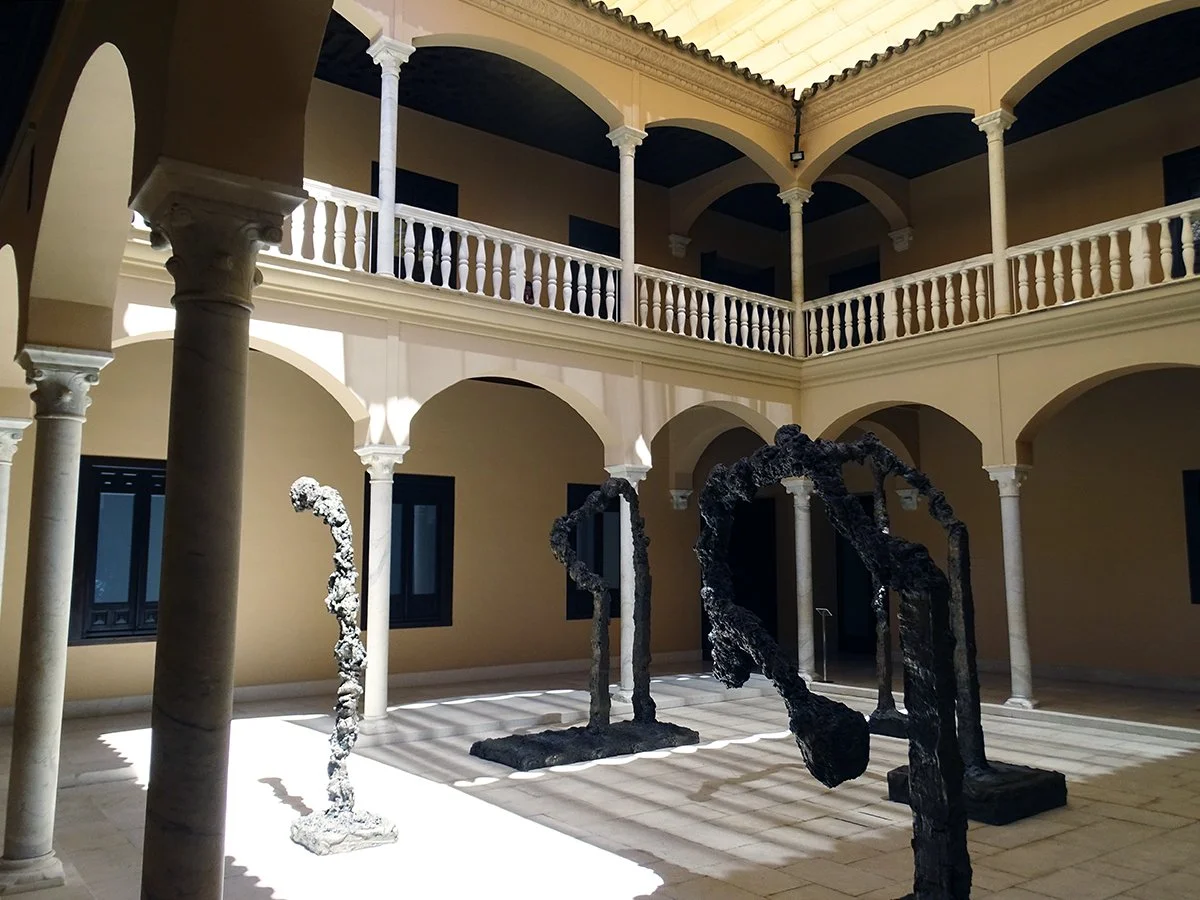
Malaga’s Picasso Museum is one of the most visited in all of Spain.
Pablo Picasso is arguably Málaga’s most famous son. Therefore it is the Picasso Museum that is the city’s most popular museum, and it draws more visitors than any other museum in Andalucía.
The museum opened in 2003, in the former palace of the Counts of Buenavista, and it was restructured in 2017, with state of the art exhibition technologies.
The collection is one of the most comprehensive in Spain, with 285 works of Picasso, including paintings, drawings and sculptures, from his different periods. A perfect way to discover Picasso’s artistic evolution and his importance in 20th century art.
Since it’s so popular, you should buy tickets in advance as they sell out. However, even with advanced tickets, you may need to wait in a long line, especially in the morning. The last entry slot of the day is usually the least crowded and often does not have a line. A guided tour (including entrance) is also a great way to experience the museum.
Museo Picasso is a must when visiting Málaga.
Museo Carmen Thyssen - Málaga
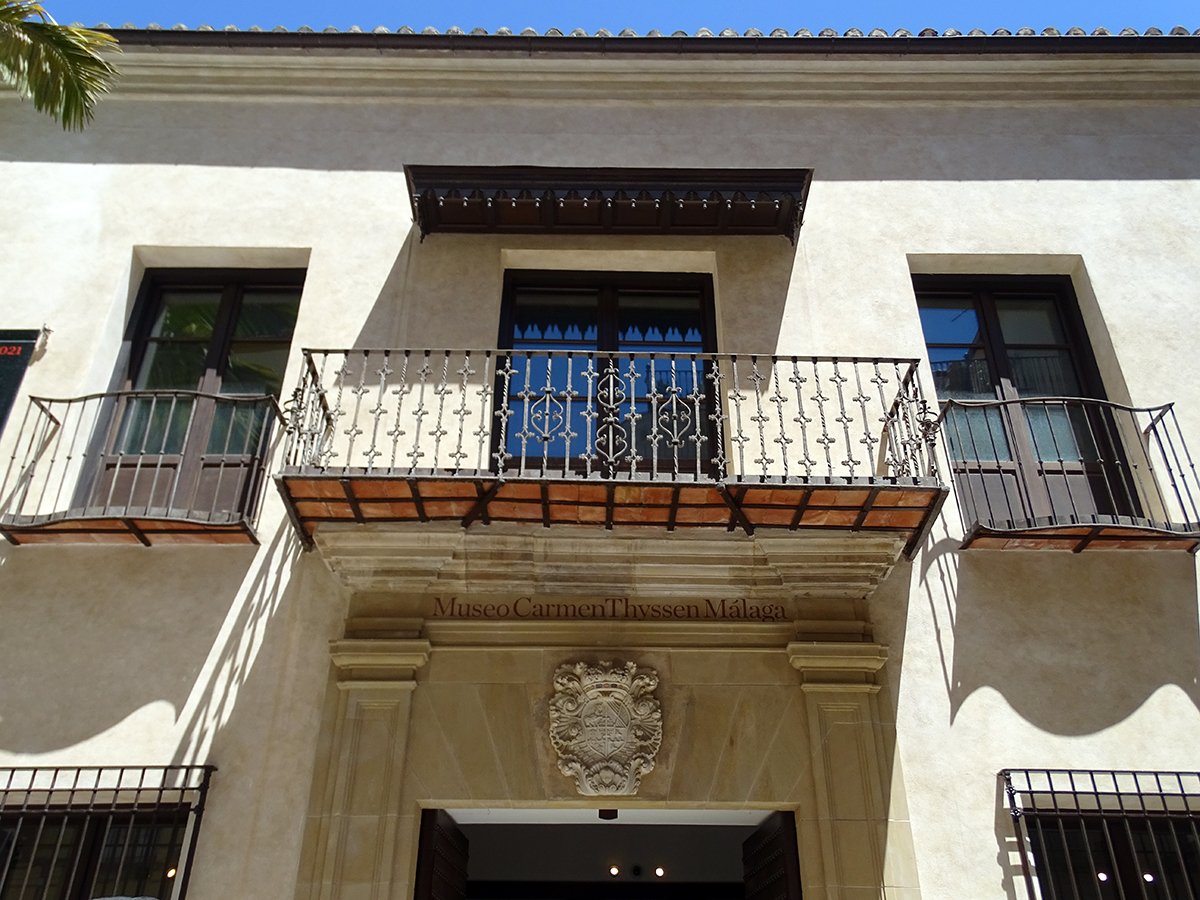
The palatial entrance to Málaga’s Carmen Thyssen Museum.
Since Málaga has more museums per capita than any Spanish city except for Madrid, we wanted to include another museum here.
The private collection of Baron Thyssen was huge, and you’ve already read about the museum in Madrid. But his wife, the Baroness Carmen also had her own collection, and you can see a lot of it at her museum, the Museo de Carmen Thyssen. The collection on display here is mostly 19th and 20th century Andaluz art.
The museum opened in 2011 in the 16th century Renaissance Palace of Villalón. And it’s a wonder to visit. It’s right in Malaga’s old town, a quick stroll from Picasso Museum.
As you can see, Málaga is not just a “sun and beach” destination. Its rich history and art heritage, together with a fun lifestyle makes it the perfect destination for a multi-day stay. Explore the city and its surroundings by taking a few fabulous day trips from Málaga.
Centro Cerámica Triana - Seville
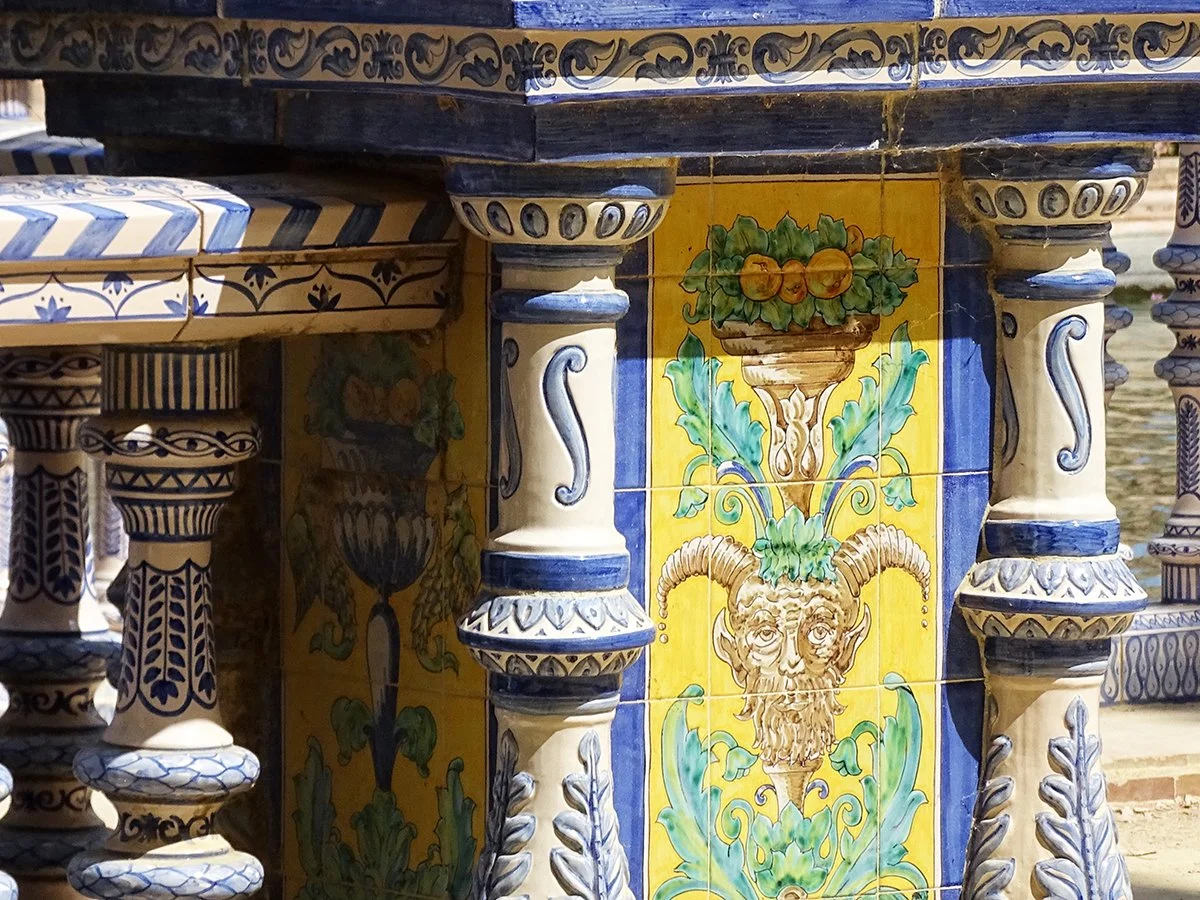
Seville’s exquisite ceramics well deserve their own museum.
Triana is one of the most characteristic neighborhoods in Seville. Just across the river from the historical center, it’s a lively area with some good dining along the river and one of the best markets in the South of Spain (Mercado de Triana). Some of Seville’s finest ceramics and tilework can be found here, that’s why in 2014 a new museum (Centro Cerámica Triana) was created in the area, just on top of the remains a former ceramics workshop.
The architecture of the museum, designed by the local firm AF6, is striking, with a clever uses of ceramic elements. And inside, you can learn abouth the ceramics making proces, as well as admire historical pieces from the muslim times and on.
You can see gorgeous ceramics all over Seville, so why not dedicated an hour to learn more about them?
Museo Arqueológico de Alicante
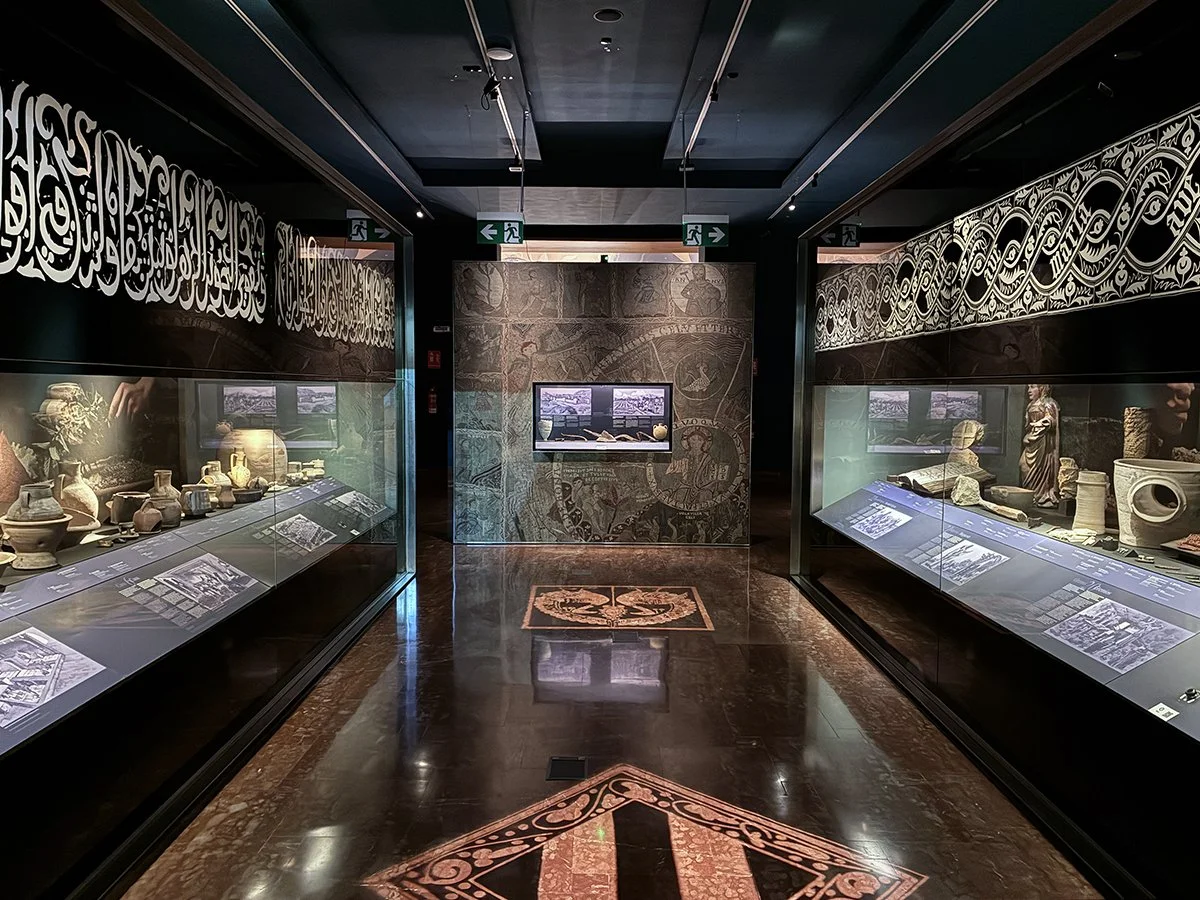
Alicante’s Archaeological Museum has some of the most modern display technologies in Spain.
We already talked about Madrid’s Archaeological Museum, the best in Spain, but probably the second best is Athis one in Alicante.
MARQ, or Museo Arqueológico de Alicante, not only has an amazing collection of artifacts, displayed in a modern and immersive way that uses projections, sound effects and much more. But it also has a central zone dedicated to the science and methods of archaeology, with replicas of excavations.
Really fascinating indeed!
The museum is a bit far from the city center, but easily reachable with the tramway system of the city. Or you can visit it with a private group tour of the city.
You can learn more about Alicante with our City Break Guide of the city.
Domus - A Coruña
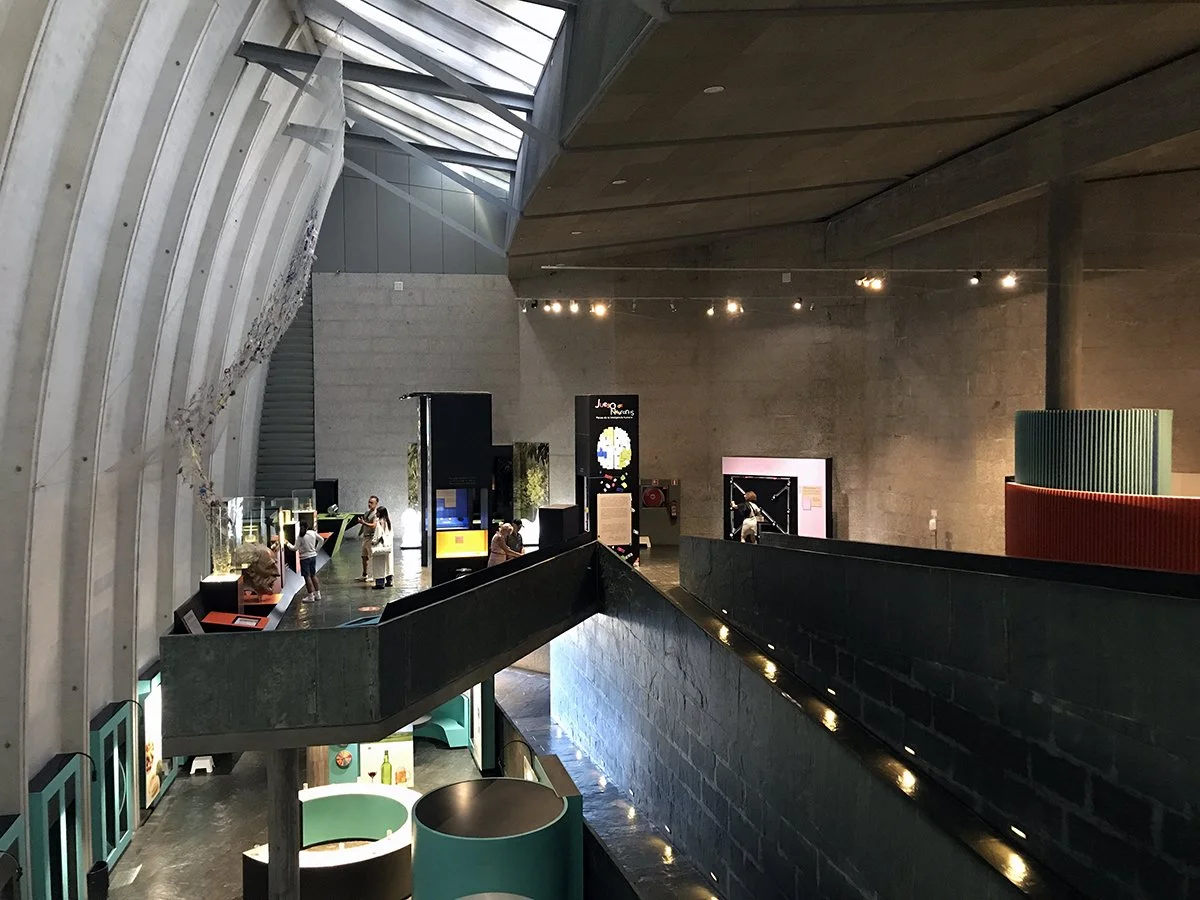
Domus is one of the first interactive science museums in Spain.
We have talked mostly about art and history museums, but Spain has also many cool science museums, such as this one in A Coruña.
Domus is a very didactic science museum aimed for both children and adult. Housed in an impressive buidling by famous Japanese architect Arata Isosaki that opened in 1995, it claims that it was the first interactive museum in the world dedicated exclusively to the human being. Through its more than 150 interactive displays, you can learn in a fun way about what makes us special as a species, through biology, psychology and sociology. A fascinating journey. A perfect plan with children.
A Coruña is one of the largest cities in Galicia, a beautiful and unique region in Northern Spain.
Can Saura - Ciutadella de Menorca
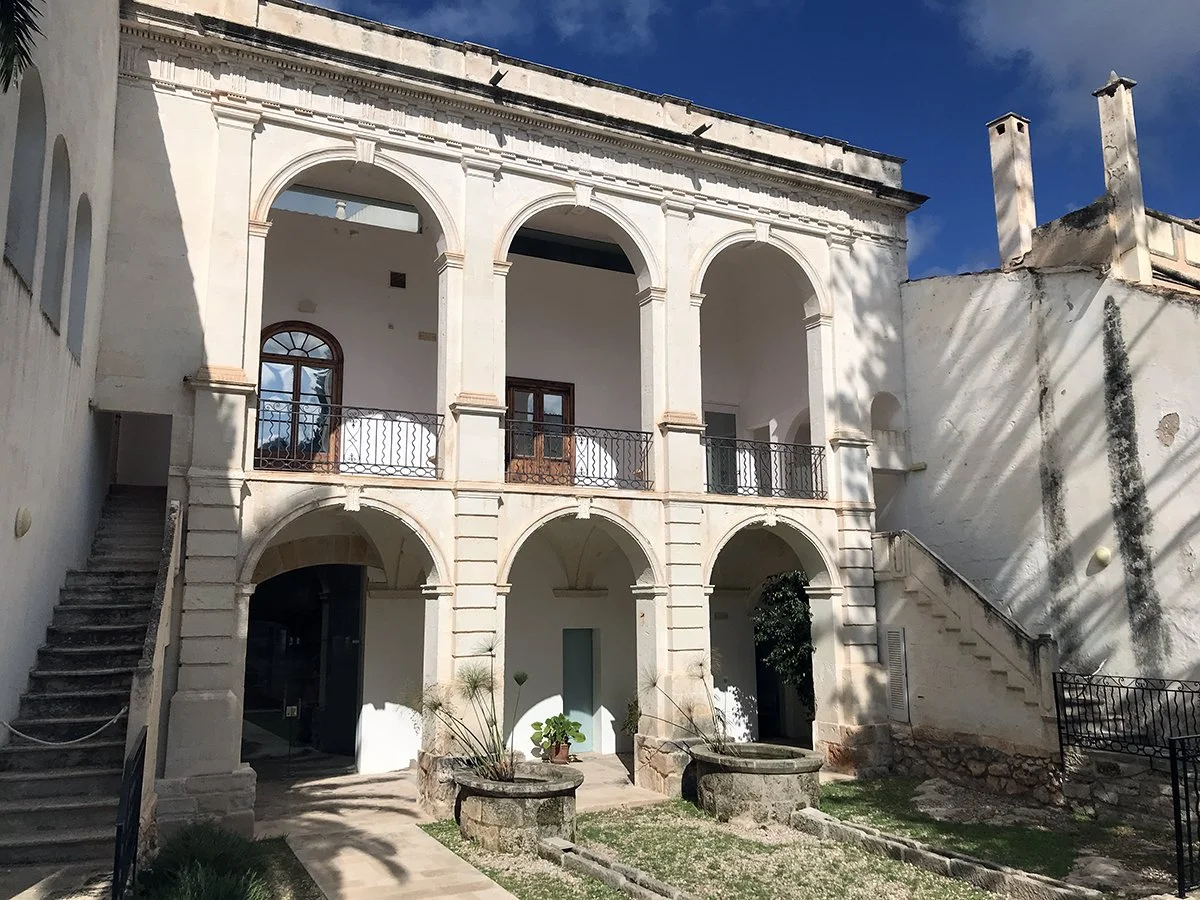
Can Saura is the perfect place to learn about the fascinating history of the Balearic islands.
And we end our list with this cute and special museum in Menorca.
Can Saura, in the beautiful city of Ciutadella de Menorca. is a great starting point to understand the complicated but fascinating history of the island. Located in a 18th century urban palace, the museum (that opened in 2022) takes you on a trip of the island, from its prehistorical remains (Menorca’s many prehistorical archaeological sites are an UNESCO World’s Heritage site), through the Roman, Muslim and British occupation times, to the presend.
Ans don’t miss the back garden, absolutely charming too!
Menorca is truly an special place, that we can help you discover with our guide.
Inspired by these museums in Spain?
And want to weave some of them into your Spain travel itinerary?
As you can see, you can find amazing and varied museums all over Spain!
But since you can’t visit them all in a single trip, the challenge is to choose what suits better your interests and travel style. And that’s where having a Spain travel planning professional working for you is essential. To help you define a Spain travel itinerary custom made for you.
Spain Less Traveled offers several levels of Spain traveling planning services. Spain Less Traveled can work with all different types of travelers and travel planners, from those who want our full support throughout the entire travel planning process, to those who simply need to talk with a Spain destination specialist to assist with specific aspects of travel planning.
Ready to start your journey through Spain?
Every traveler’s different. In your FREE 15-minute discovery call, we’ll help you decide how best to experience Spain Less Traveled…your way.