Santander - Spain Less Traveled Guide for a Great City Break.
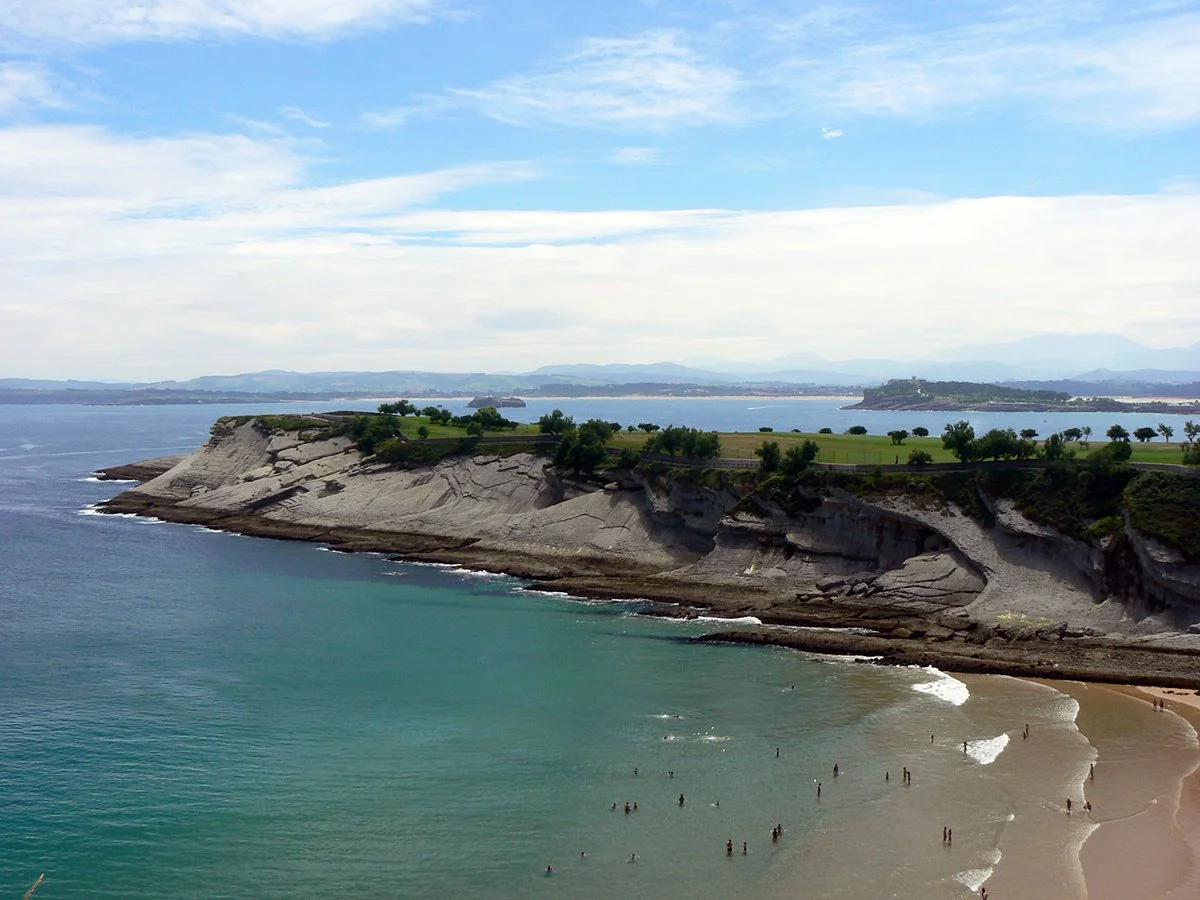
Mataleñas is one of the most beautiful beaches in Santander
Originally published 11 May 2026
All images are courtesy of the Spain Less Traveled team, unless otherwise stated.
This post contains some affiliate links. If you click on them and book a tour or experience, we may earn a small commission at no extra cost to you. We only link what we truly use and love. Thank you for supporting our work through these links. If you'd like access to our handpicked recommendations just for you—including private tours and specific guides, exclusively for our clients—you’ll want to book one of our professional Spain travel planning services.
Why visit Santander?
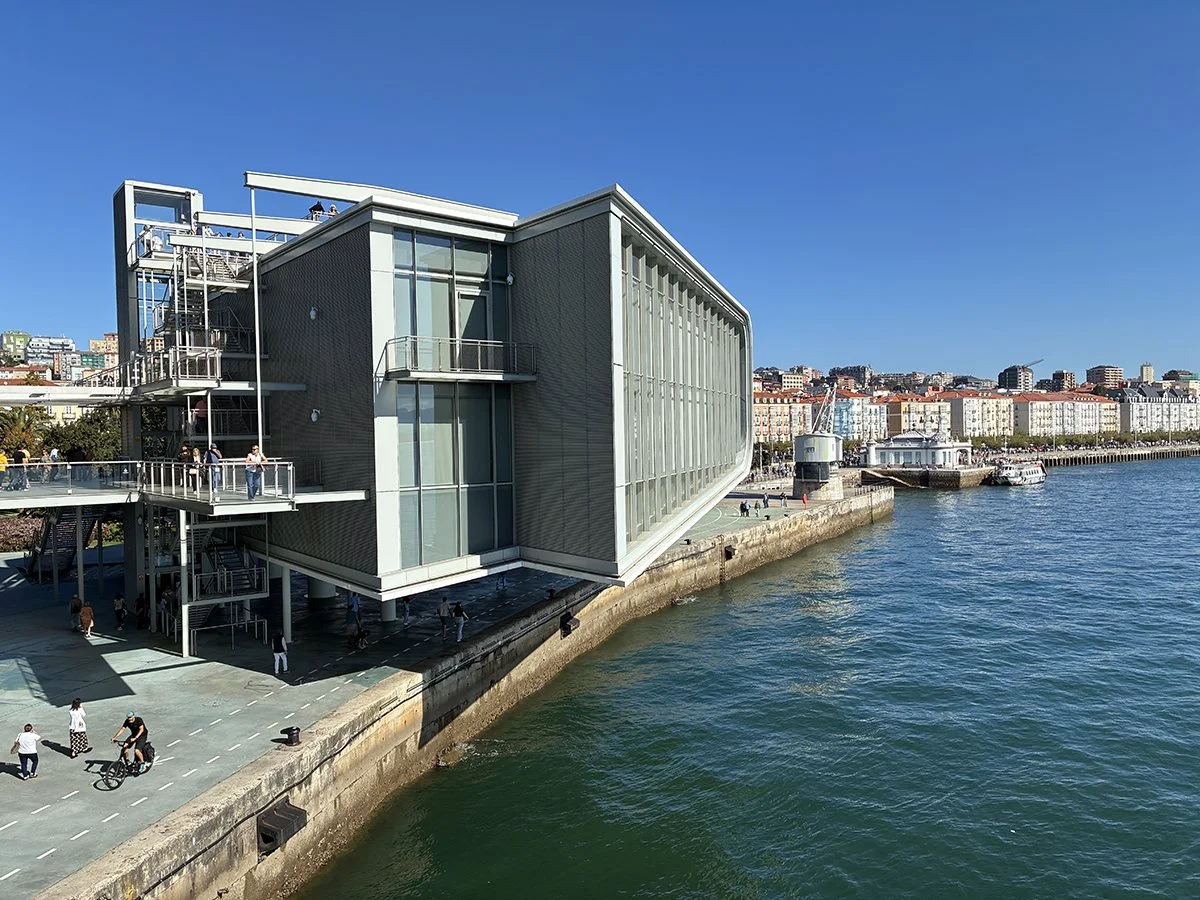
Centro Botín is a modern art museum that literally flies over Santander’s bay.
Santander (and the Cantabria region) is better known in Spain than around the world, even if the local bank (Banco Santander) is one of the largest in the world.
A lot of the time, this region is overshadowed by its more famous neighbors: Basque Country and Asturias. But Santander is a unique city in Spain. Thanks in part to its history and culture, with some of the best urban beaches in the country, a great food scene, and lots of fun things to experience.
Santander is the perfect destination for a getaway.
Where is Santander?

Image courtesy of VectorStock.
Santander is located in Northern Spain. It’s the capital of the Autonomous Community of Cantabria, and it has a population of around 175,000 habitants.
Between Asturias and Basque country, it’s often overlooked.
What’s the best time to visit Santander?
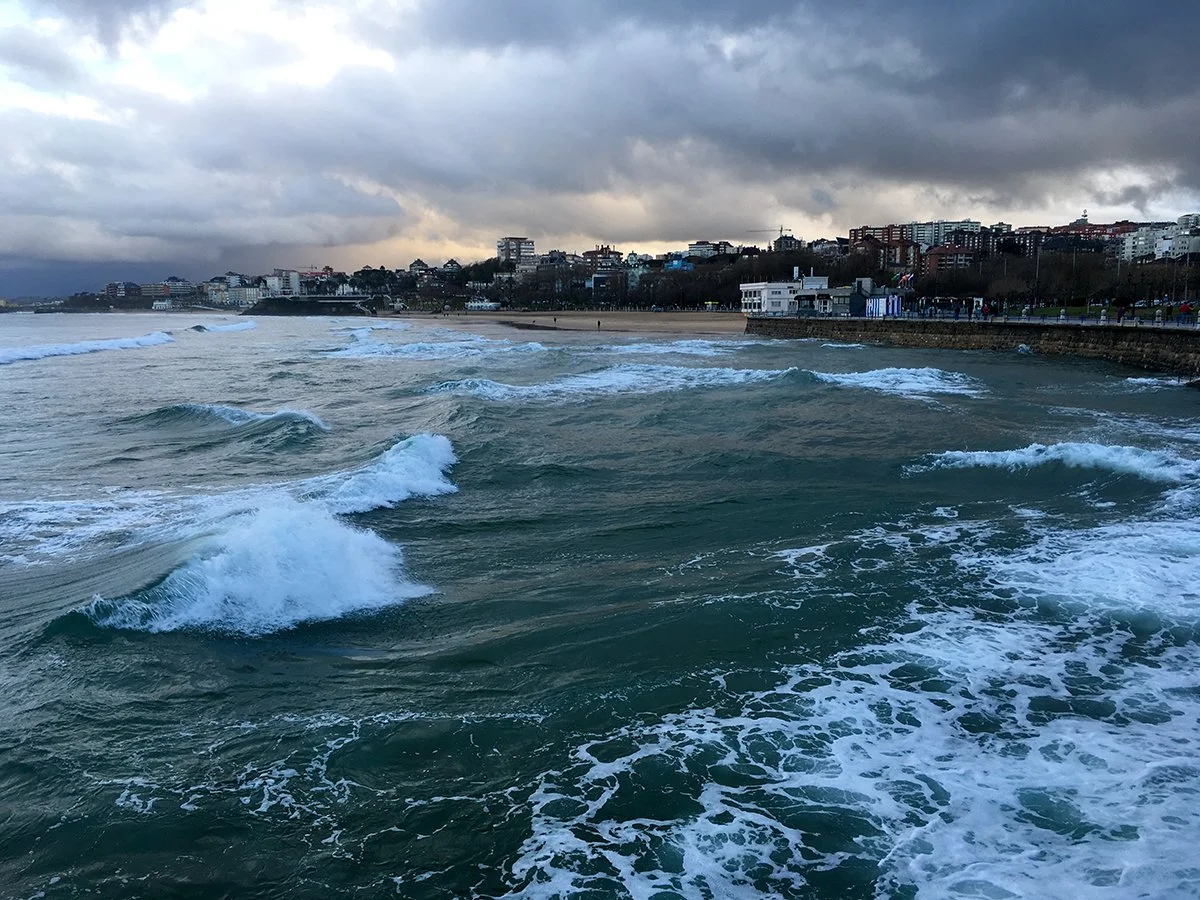
The “Cantábrico” sea looks impressive in the winter.
Santander is a top summer destination in Spain for local tourism. Those wanting to avoid the suffocating heat of the south and the Mediterranean Sea go to Santander for its mild temperatures. And although most of Spain’s northern coast has a reputation of being a rainy region, this has changed in the last decades due to climate change. It still rains, but less frequently.
If you want to enjoy the beaches with less crowds, then late Spring is the perfect time. But be aware that the water will be very cold then. (It is often even cold in the height of summer.)
Fall is a great time to visit too, for a more local experience. Also Cantabria’s many forests look amazing in the season, when the autumn colors are popping.
And though winters can be a bit gloomy in the city, Santander goes over the top with Christmas lights, making it a festive holiday season destination.
How to get to Santander?
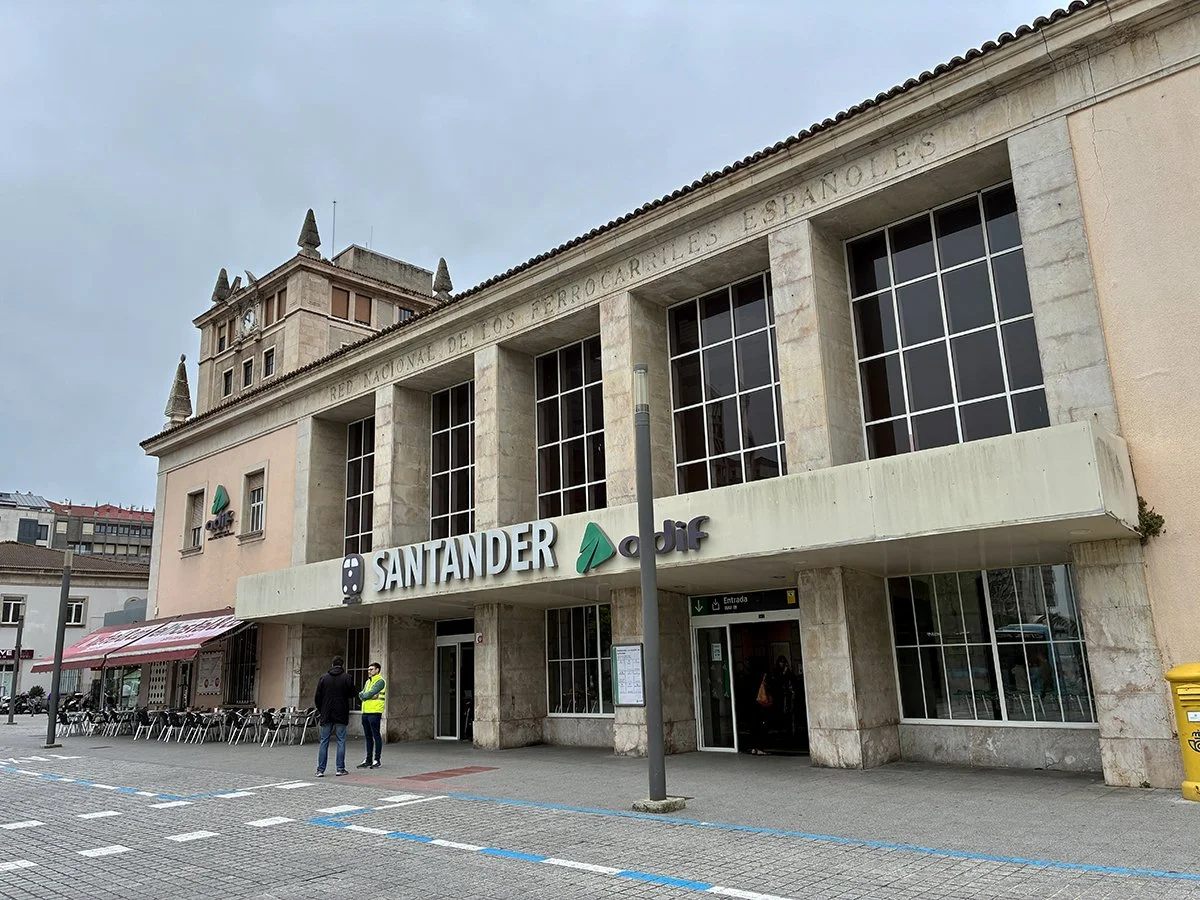
Trains are an easy way to get to Santander, even if they are not fully high-speed trains.
Santander can feel a bit isolated, but actually it’s easy to reach, by plane, train and car.
Plane: Santander’s Severiano Ballesteros airport (named after the legendary golfer, born close to the city) is relatively small, but offers direct flights to many Spanish cities (including Madrid, Barcelona, Valencia, Málaga and even islands like Mallorca or Lanzarote). There are also direct flights from several European cities, such as London, Edinburgh, Brussels or Rome.
Train: There is no high-speed train connection from Madrid to Santander, as the high speed line ends in Palencia and the rest of the trip goes in a traditional line (no train changes required). The trip takes a bit over 4 hours. The line is only operated by Renfe.
There are also trains from Bilbao and Oviedo, but they are local trains that take a long time and can be subject to delays.
Trains to Santander from Madrid depart from Madrid Chamartín - Clara Campoamor station.
Bus: Santander has bus connections to most Northern Spain cities, as well as Madrid, Barcelona, and more. It’s the best option if you want to reach the city from Bilbao or Oviedo. Most of the lines are operated by Alsa.
Car: Santander lies by the A8 highway, that connects all the north of Spain. It also has a highway connection to Madrid, with the trip taking under 4 hours.
Ferry: If you want a little adventure, Santander can be reached by overnight ferries from Plymouth and Portsmouth, in England.
(For more Spain transportation tips, check out our dedicated post about getting around Spain!)
What to see and do in Santander?
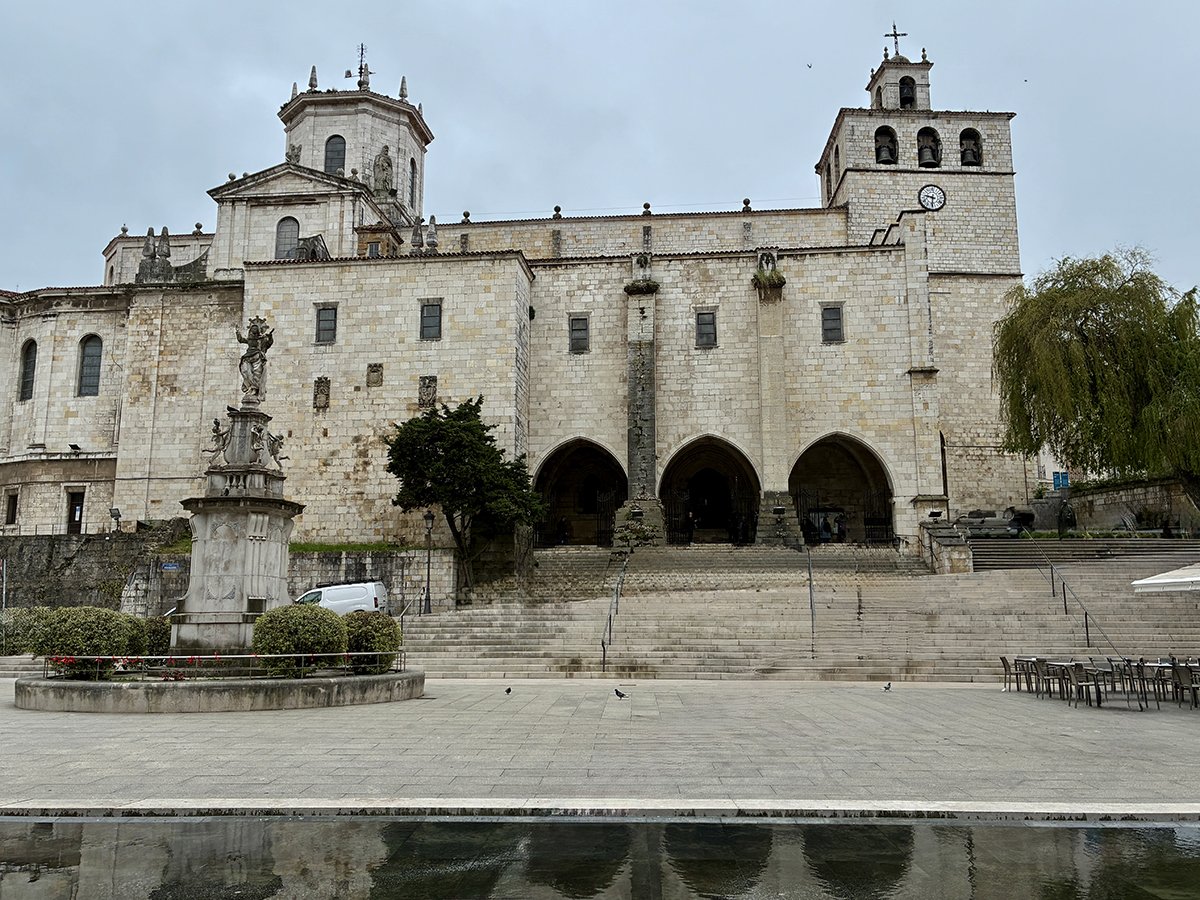
Santander’s catheral has a fortress like exterior that hides a beautiful interior.
Santander, located in one of the most beautiful bays in Europe, has a unique configuration, with two very diferentiated parts:
The city center, built around the port, has a medieval origin. In 1941, a devastating fire destroyed most of it, with only some main buildings such as the City Hall or the cathedral saved from the flames. The city center was rebuilt in the 1940s and 1950s, with wider streets and avenues. There are some many interesting places to visit:
Cathedral: It’s actually two Gothic churches, one over the other. The lower crypt, locally known as “El Cristo”, with beautiful arches, and the upper bassilica, simple but elegant, with some Baroque additions. The cloister is especially beautiful.
City Hall square: The beautiful square in front of the elegant City Hall is full of activities all year around.
Alameda de Oviedo: A beautiful tree covered avenue, a favorite place for “paseo”.
Paseo and Jardínes de Pereda: This area was saved from the fire, so you can see how the city must have looked before it, with elegant residential buildigs but narrower streets.
Palacio de Festivales: This performing arts center offers a very complete program of theater, music and dance, including the famous summer classical music festival (Festival de Santander). Here is the Palacio de Festivales official website (in Spanish).
The other part of the city is the beach area, known as “El Sardinero”, which lies along the many beaches outside of the bay. It was a popular summer destination for the rich in the late 19th and early 20th centuries, with elegant architecture. The main highlights are:
Palacio de La Magdalena: The summer palace for the Spanish Royal Family during the early 20th century. It was built on top of a gorgeous peninsula, in English Gothic style, as a homage to the consort queen Victoria Eugenia, who was British. After a long restoration, the palace can be visited now. The palace is surrounded by gardens and even a small open air zoo with seals.
Casino: It’s one of the most beautiful buildings in the city, and it’s operating still as a gambling casino.
Beaches: There are several beaches in the area: Los Peligros, La Magdalena, El Camello (with a curious rock formations that looks like a camel), La Concha, El Sardinero (First and Second), Los Molinucos, and Mataleñas.
Lighthouse: The city’s main lighthouse, or “Faro de Cabo Mayor”, it’s an elegant tower in a breathtaking location, with incredible cliffs and views of the city. There is a small art gallery in the lower part of the lighthouse.
“Las Llamas” Park: It’s a wetland area with small ponds and wild nature. There are several wooden paths so you can discover it easily. A good place too for birdwatching.
What are the best tours and experiences in Santander?
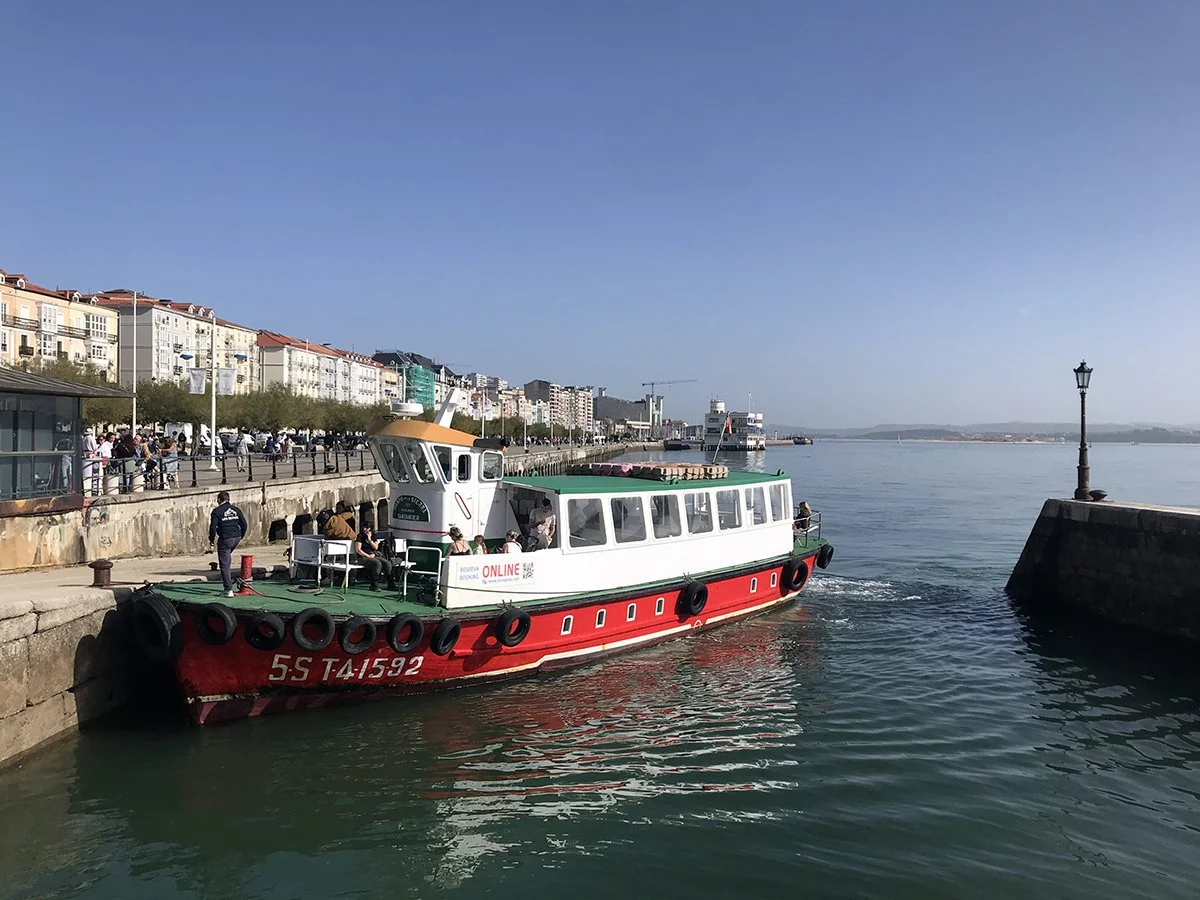
Crossing the harbor in a “pedreñera” is a fun way to explore it.
Even if Santander is a perfect city to discover walking, there are many experiences that can enrich your visit:
The “Pedreñeras or “Reginas” are small ships that connect Santander with other towns across the bay (mainly Pedreña and Somo). They also offer one hour cruises of the bay. A must in Santander. There are also longer 3-hour tours.
If you visit in the summer, you can book a kayak tour of the harbor, an unique and fun way of seeing the city.
Santander also has a hop on / hop off bus, that is perfect to reach areas like the lighthouse.
And if you prefer a slower pace, you can book a walking tour of the city center.
In recent years, Santander has engaged in many museum projects, some already open, others will open in the next few months / years. The intention is to make Santander a world class art destination:
Centro Botín: This art center, designed by Italian architect Renzo Piano, opened in 2017. It offers modern arts exhibitions. Part of the building “flies” over the harbor, offering amazing views. There are several viewing platforms that are free to visit.
MAS Museo de Arte de Santander: The first museum of the city, located in a beautiful Renaissance style building. It has been restored recently, and even if it’s small, it offers a great collection of Cantabrian and Spanish artists (including a couple of Goyas).
MVPAC: The city’s archeologial museum has an amazing collection of artifacts from Prehistoric and Roman times. It’s presently located in the basement of Mercado del Este, but a new spectacular building is being constructed, scheduled to open in 2027.
Faro Santander: Santander Bank’s main headquarters moved to Madrid many years ago (but still pays taxes in Santander, a big chunk of the city’s revenue). The historical building located in Paseo Pereda has been converted into a art museum, displaying part of the bank’s huge private art collection. The renovation, designed by British architect David Chipperfield, was controversial when presented, but it’s starting to grow on the locals. It’s scheduled to open in September 2026.
Archivo Lafuente: It’s the first branch of the Reina Sofia Museum outside of Madrid. Located in the old Bank of Spain building (another survivor from the fire), it will be focused on Spanish and Latin American modern art. It’s currently in construction, scheduled to open in 2027.
What and where to eat in Santander?
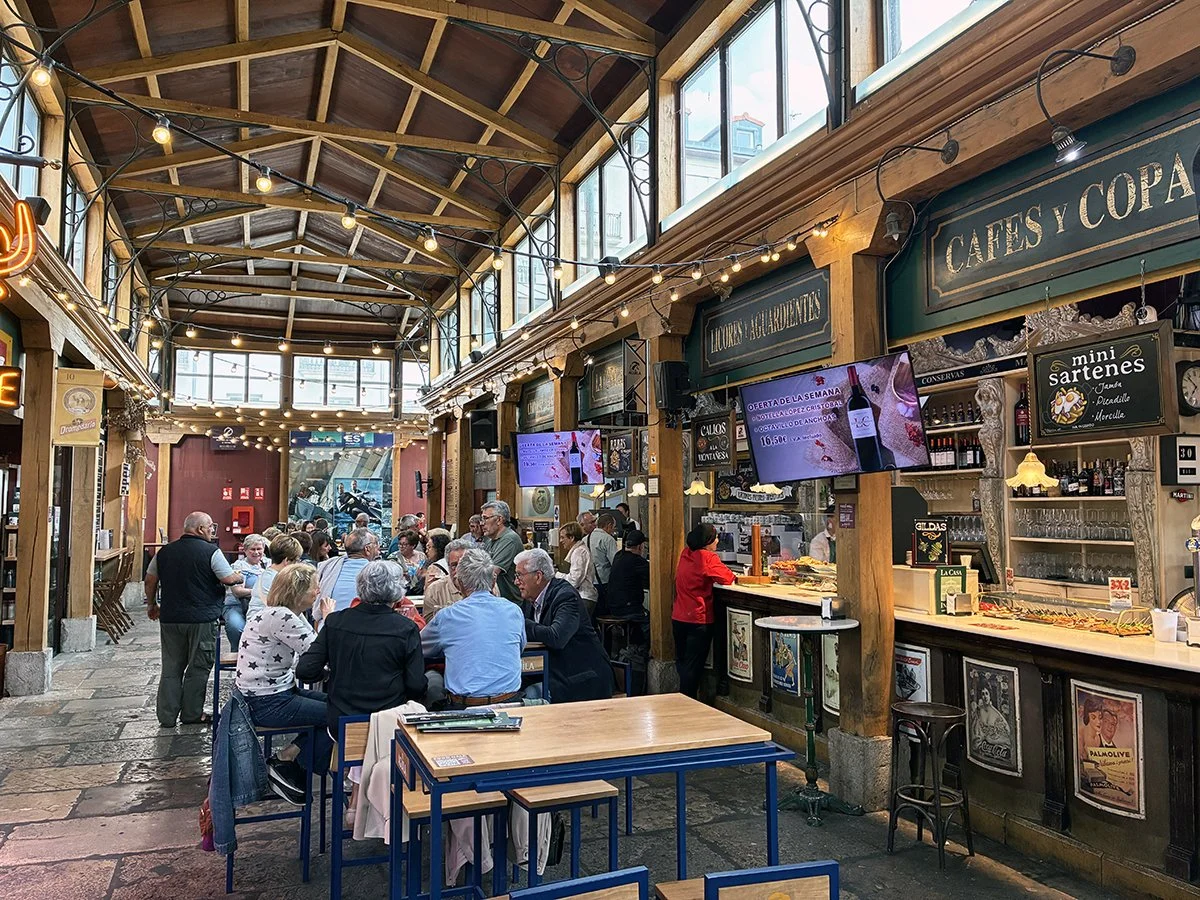
Mercado del Este is the locals’ favorite spot for vermouth time.
Cantabria is an underrated food region, often overshadowed by Basque cuisine, but it still has several delicacies famous in all of Spain: “cocido montañés”, “sobao”s and Santoña’s anchovies, the best in the world (as they claim). And of course “rabas”, the queen of Santander tapas. (Delicious breaded and fried squid chunks).
Honestly, Santander has some of the best food in Spain!
The best places to start discovering the local food scene are in the city’s two main markets: Mercado de la Esperanza and Mercado del Este. Mercado de la Esperanza is located right behind the City Hall and is a traditional market where locals go to do their daily shopping. Visiting the fish and seafood section in the morning is a must in Santander. The other big market, Mercado del Este, is a gourmet market, similar to Madrid’s Mercado de San Miguel, but less pretentious and touristy. It’s a great place for vermouth and tapas, and it’s the only exisiting market in Spain with a wooden structure.
Mercado de la Esperanza made it to our list of top markets in Spain!
The tapas and pintxos scene in Santander is huge, with popular areas such as Cañadío, Hernán Cortes, Peña Herbosa or Tetuán. These are crowded with locals almost all day.
Santander also has a year-round ice cream tradition. Some of the best places are Regma (with several locations in the city and province, and even throughout Spain these days), Capri, Via Mazzini, and Monerris.
You will find also a lot of delicious “confiterías”, the local name for bakeries. A mille feuille (three layered puff-pastry) is the king of Santander’s bakery tradition with many variations. You can find them in Vega, Regma or Gómez.
This is our curated list of restaurants in the city:
Bodega del Riojano - A local institution. Delicious traditional dishes in an elegant setting. Their collection of wine barrels painted by famous artists is really impresisve.
Bodega Cigaleña - Another Santander institution, that you can enjoy as a restaurant or a tapas bar. They also have the best wine selection in town.
Casona del Judío - It’s one of the city’s restaurant with a Michelin star. It offers a modern approach to Cantabrian cuisine.
El Serbal -The city’s other Michelin starred restaurant, literally on the beach. Mediterranean inspired cuisine with local touches.
Agua Salada - A small place on the rise, with delicious “raciones”.
La Bombi - Everything you look for in a classic Spanish restaurant is there. Great in both meat and fish specialties.
La Mulata - One of the best places in town for seafood. In the Tetuan area, not very easy to find, but worth the effort.
Cañadío - Another local institution, with a branch even in Madrid. A bit posh but delicious.
La Conveniente - A great tapas place in the Cañadío area. It specializes in “croquetas” (Their boiled egg croquette “Huevos a la bechamel” is amazing). Bonus point: They usually have live music.
Casa Lita - One of the best places in Santander for “pinchos”.
Casa Mariano - Very informal but popular with locals. You can enjoy one of the best “menú del día” in town in a great terrace in the Alameda.
If you want to taste some of the best products from Cantabria that we mentioned, you can join this Private Gastronomic Tour, that takes you to the origin of those products, like Santoña for anchovies or Valle del Pas for “sobaos”.
Where to stay in Santander?
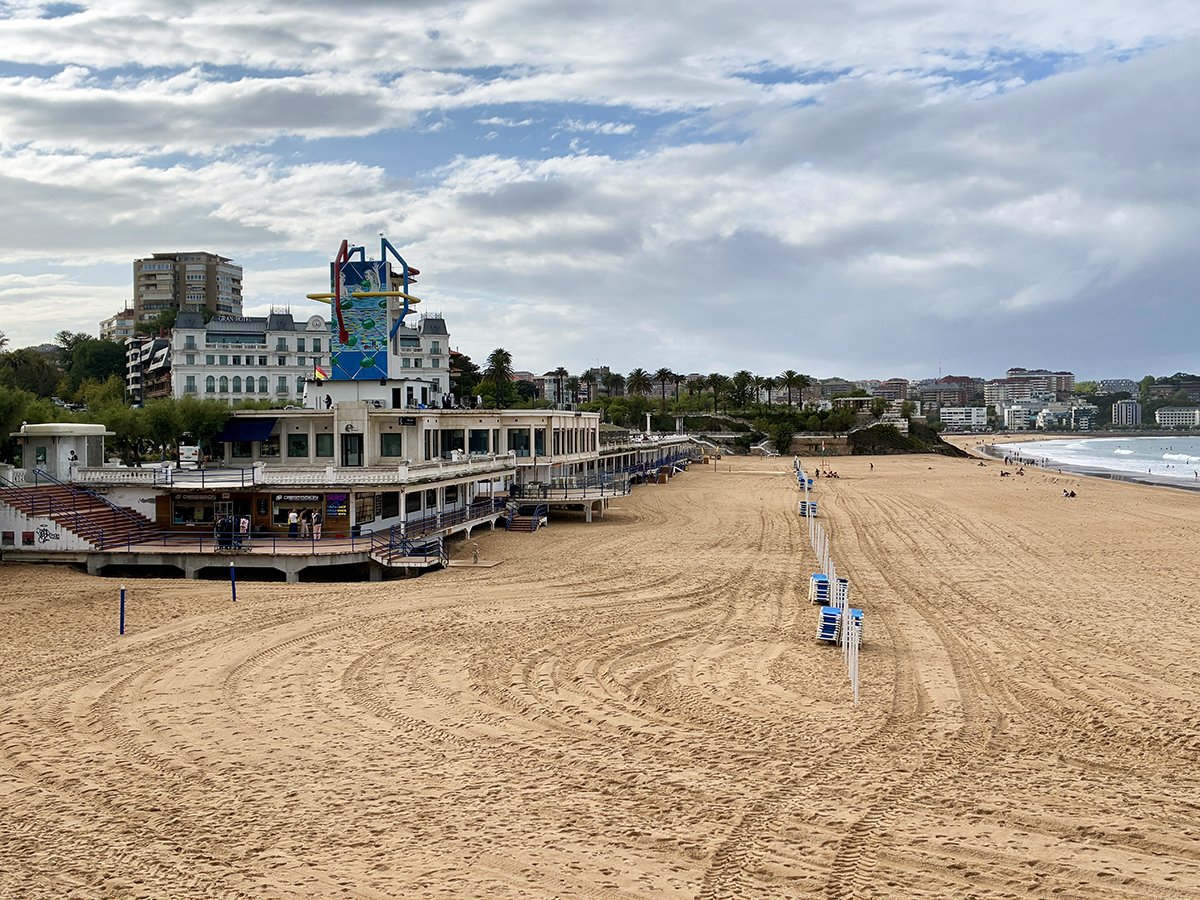
“El Sardinero” area offers some elegant hotels right in front of the ocean.
Choosing the right hotel in Santander depends on what are you looking for most in your visit. If you want culture, perhaps you should look for a hotel in the city center, but if you are aiming for the beach, then a hotel in the Sardinero area is a better bet.
Some of our favorite hotels in the city center:
Soho Boutique Palacio de Pombo - A four star hotel in a former 18th century palace in the heart of the city. Rooms are modern and give a nod to the Cantabrian style.
Hotel Bahía - A four star hotel in the center of Santander, right in front of the maritime terminal. The hotel offers some of the best views in town!
Hotel Vincci Puertochico - Right in front of the sports marina and the sailing school, it has the only seawater spa in the city.
Hotel Silken Coliseum - Located in a former theater just across from Santander’s main market, this four star hotel offers comfortable, modern rooms.
And if you want to stay by the beach:
Eurostars Hotel Real - A classic luxury hotel, a bit dated but keeps its Belle Epoque charm. On top of a hill, it offers amazing views of the beaches and the Royal palace.
Gran Hotel Sardinero - In the beaches area, next to the Casino, it has become a symbol of the city. It was completely rebuilt recently in its original Belle Epoque style.
Hotel Hoyuela - A cute boutique hotel with the look and feel of an old beachside resort.
Unique neighborhoods in Santander
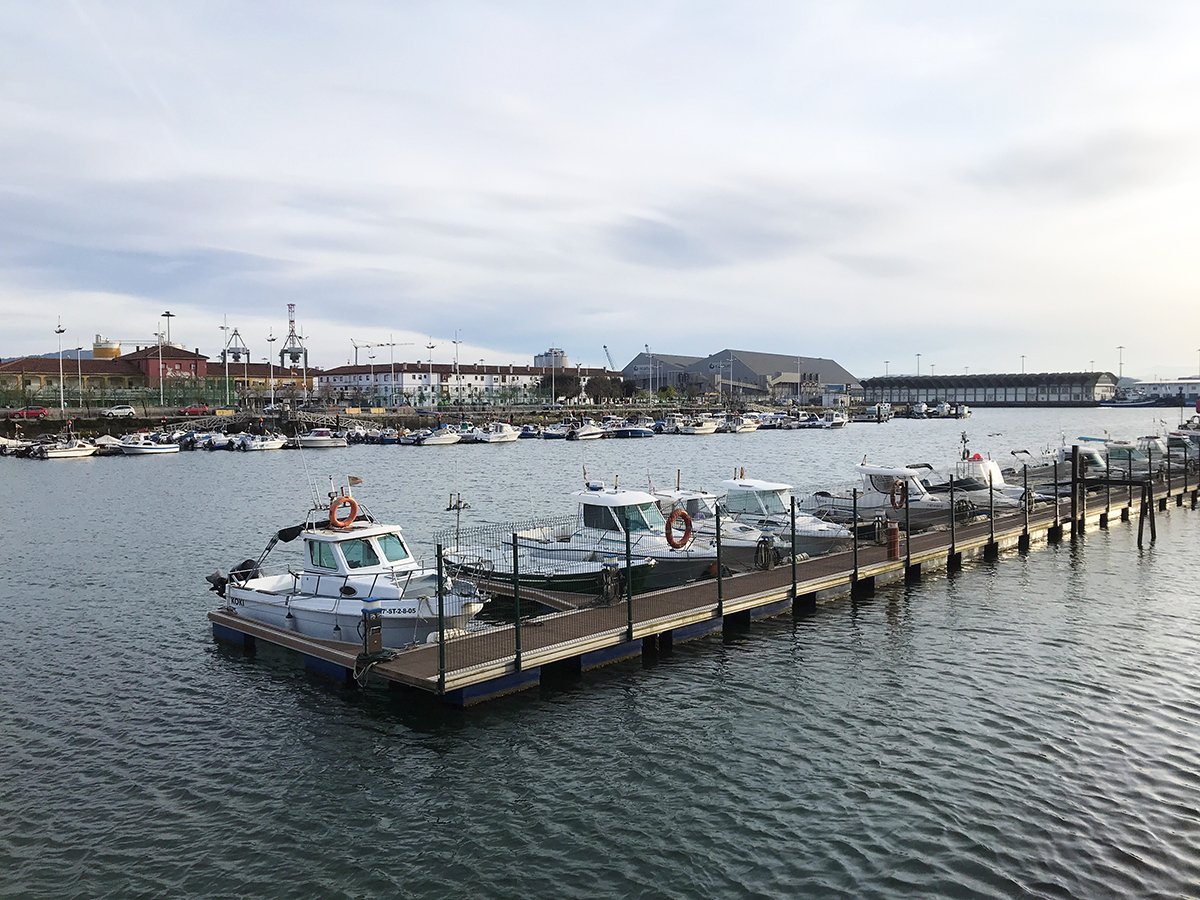
Barrio Pesquero is the city’s old fishing neighborhood. A perfect place for seafood lovers.
As any other city, Santander has areas and neighborhoods that feel unique and different from the rest of the city:
Sardinero - As we mentioned earlier, it’s the area where all beaches are located. It’s elegant, posh, but at the same time laid back. It changes a lot depending on the season: crowded and lively in the summer, but slow and decadent in the winter.
Barrio Pesquero - It’s the neighborhood where fishermen used to live. Architecturally unimpressive but full of flavor and delicious seafood restaurants. If you manage to wake up early, go to the fish market, where the catch of the previous night arrives and is auctioned.
Puertochico and Tetuan - This area is very eclectic, and includes some of the best apartments in the city next to some more humble houses for fishermen. It’s a lively tapas area at night. Don’t miss the tunnel, a long pedestrian passage recently recovered that takes you directly to the Sardinero area.
Festivals and events in Santander

“Charangas” (popular music bands) are a key part of any festival in Santander.
Santander has many festivals through the year. Here is a selection in chronological order.
Carnaval - A small celebration (compared to other places in Spain) that takes over the city in late February or early March. There is a big parade along Paseo de Pereda.
Semana Santa - As in any other city in Spain, many “procesiones” take place in Easter. The ambiance is more solemn and quiet than the ones in Southern Spain.
Baños de Ola - Held in the first week of July, this event is the official start of the summer season in Santander. Located in the Sardinero area, this festival recreates the ambiance of the area in the early 20th century, with old music bands, bathers with old swimming suits and much more.
Semana Grande - Santiago is the patron saint of Santander, so the city’s main festival is Semana Grande, the week around Santiago’s Day: July 25th. Every open public space is occupied by “casetas”, where you can eat and drink. There are concerts, activities for children and much more. An amusement park is set up in the Sardinero area, and there are fireworks almost every night.
Regatas - “Traineras” is a popular sport in Santander, like a rowing competiton on steroids, similar to the ones in other regions of Northern Spain. The main event is “Bandera de Santander”, where eight crews of the region compete rowing across the harbor. It’s held in mid-August.
Festival de Música - It’s one of the oldest and most reputed classical music festivals in Spain. It takes place during the whole month of August. The main location is Palacio de Festivales, but there are also chamber music concerts in many churches and palaces of the region.
Navidad - Santander, as many other cities in Spain, goes crazy for Christmas with amazing lights. The most impressive are usually on Plaza del Ayuntamiento (City Hall).
What are the best day trips from Santander?
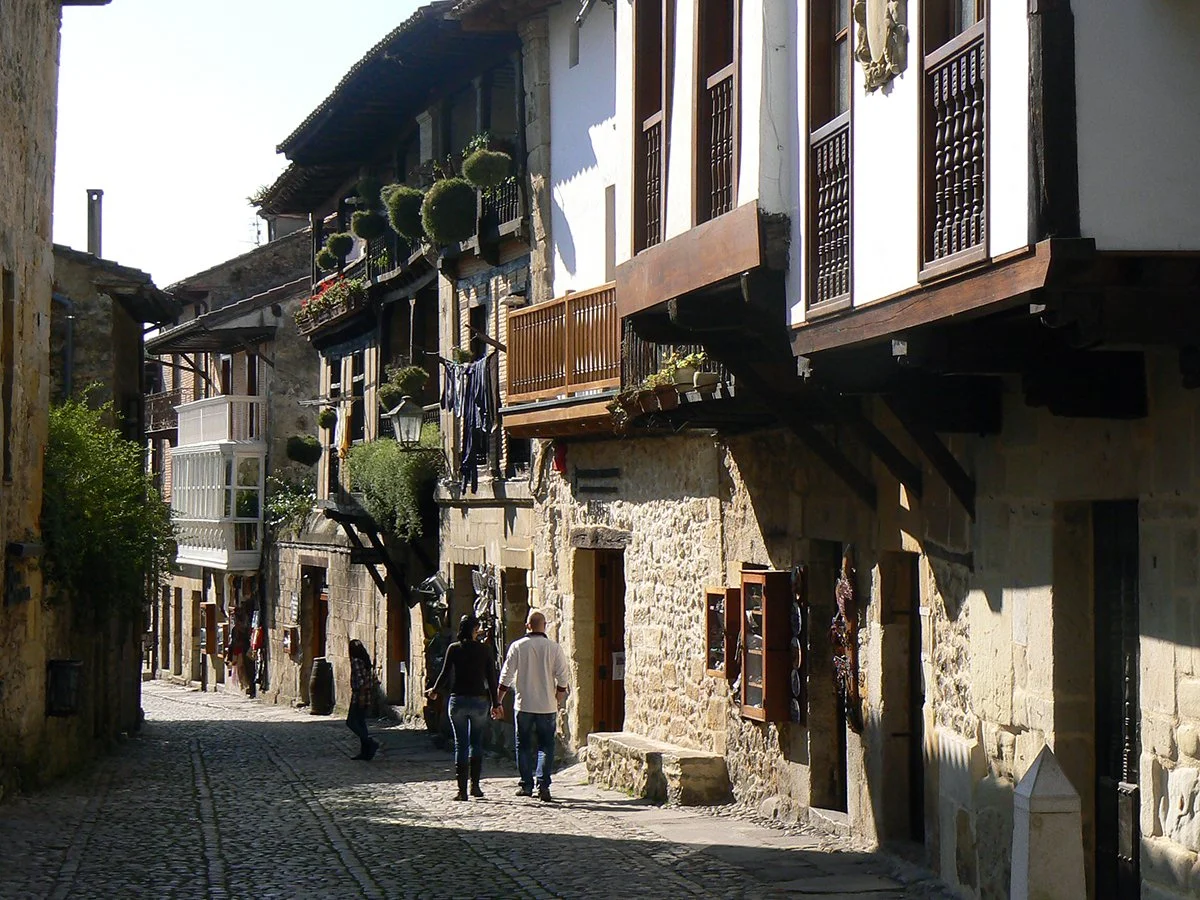
Santillana del Mar is one of the most beautiful “pueblos” in Spain.
As we said, Santander is the capital of the Cantabria region. It also has a central position, so it’s a perfect hub to explore the area. Cantabria has good public transporation, but it doesn’t get everywhere. So if you want to explore small pueblos or natural parks, we suggest you rent a car. These are some of the most popular day trips from Santander:
Pedreña and Somo - Right across the bay, these two small towns have a very different character. Pedreña, inside the bay is more focused on fishing, sailing and sports, including a beatiful golf course. Somo, out of the bay, is a prime surfing destination, with a cool Central California vibe. You can even take a surfing class. The best way of getting there is taking one of the “reginas” ships from Santander.
Santillana del Mar - It’s considered one of the most beautiful towns in all of Spain. Its medieval charm has been kept almost intact, and its Romanesque church and cloister are the best in the region. In the outskirts of the town, you can get to the famous Altamira cave, nicknamed the “Sistine Chapel” of cave paintings. Visiting the cave is super limited, with waiting lists up to 10 years. But you can visit the great reproduction in the museum next door.
Comillas - A fancy summer resort for the rich in the early 20th century, Comillas has an increible heritage of beautiful modernist buildings, including “El Capricho”, one of the only four works by Gaudí out of Catalonia. Next door you’ll find Palacio de Sobrellano, a magnificent Neo-Gothic palace, and up the hill, the impressive Universidad Pontificia. All are part of the Modernist Route, which also includes other buildings.
San Vicente de la Barquera - Nowhere in Cantabria can you feel better the dual condition of the region, with beautiful beaches with snowy mountains on the back. The center is a cute fishing village, with a beautiful Gothic church.
Picos de Europa - Cantabria has a smaller portion of the Picos de Europa range than Asturias, but it’s full of sights and activities. It’s a long drive from Santander (about 90 minutes), but so worth it. The center of the area is the beautiful town of Potes, where you can enjoy its atmosphere and explore its cute old area. Also it’s the starting point for many outdoor activities. Very close to Potes you can visit Santo Toribio de Liébana, a Baroque monastery famous for housing a fragment of the Holy Cross. Also very close to Potes is Mogrovejo, a charming little town higher in the mountains. A further drive takes you to Fuentedé, where you can take a cable car 800m up to the mountain in an almost vertical ascent. Fuentedé also has a modern “parador” if you want to stay the night. If you don’t have a car, you can join a tour from Santander. A bit busy, but it covers the main highlights of the region.
Prehistoric caves - Cantabria is one of the best places in Spain to see prehistoric cave paintings. Apart from Altamira, there are several caves where you can admire original paintings. As they are a bit remote, it’s good to have a car. If you don’t have a car, you can book this tour to Puente Viesgo, where the main ones are located. It includes transportation from Santander.
Craving to discover Santander? Let us help you plan your trip!
So do you want to take a city break in Santander? Even if you just want to go for a weekend or want to stay longer (a week or a month…), we can help you plan your Santander trip with our custom itineraries and travel guidance.
Ready to start your journey?
Book a FREE 15 minute discovery call
to help you decide which of our professional Spain travel planning services suits you best.